
If you have just heard about the assam teer result and feel lost looking at result pages full of FR, SR, and two digit figures, this guide is for you. Assam teer is the popular name for the archery based lottery game held at Khanapara near Guwahati, and its result is simply the declared outcome of each day’s archery rounds. There is no complicated mathematics to learn and no secret code to crack. By the end of this page you will know what FR and SR mean, how the archers produce the numbers, how to read a result card correctly, and where to check the result without getting fooled by bad websites.

What Exactly Is Assam Teer
Assam teer is the everyday name for the teer game organised at Khanapara, a locality on the edge of Guwahati in Assam. Teer itself is a traditional archery based lottery that is legally conducted in Meghalaya, and the Khanapara ground is one of its well known venues. Every playing day, groups of archers shoot arrows at targets, officials count the arrows that hit, and the count is converted into the declared result numbers you see published online.
The word “teer” means arrow, which tells you everything about the character of the game. Unlike draw based lotteries where numbered balls tumble out of a machine, here the result grows out of a real sporting event that you could stand and watch. Dozens of archers, hundreds of arrows, and a careful counting process stand between the start of a round and the number that appears on your screen. Understanding this physical foundation is the single most useful thing a beginner can learn, because it explains the timing of declarations, the meaning of delays, and why some websites cannot possibly have a genuine number as early as they claim.
The game is deeply woven into local culture in the region. For many followers it is a daily ritual: check the morning session if they follow it, check the afternoon rounds, note the numbers, and move on with the day. As a newcomer, you do not need to adopt anyone’s habits. You only need a clear picture of how the game works, which is exactly what the following sections build up step by step.
What FR and SR Mean in Plain Language
Almost every result page shows two labels, FR and SR, and beginners often wonder whether they are two names for the same thing or two parts of one thing. They are two separate rounds, and here is the plain language version.
FR Means First Round
FR stands for the first round of archery in a session. Think of it as the opening half of the day’s game. The archers shoot their arrows, the hits are counted, and the resulting number is declared as the FR result. When you see “FR” on a result card, you are looking at the outcome of that first shooting session and nothing else. It is declared before the second round begins, which is why it always appears first on result pages.
SR Means Second Round
SR stands for the second round. After the first round is declared, the archers take a break and then shoot again in a fresh round. The arrows are counted again, and the new number becomes the SR result. The second round is completely independent: new arrows, new count, new number. Nothing carries over from the first round except the date on the card.
Why There Are Two Rounds at All
The two round structure is simply how the game is organised, and it gives followers two declared outcomes per session instead of one. From your side of the screen, the practical meaning is straightforward: a day’s result is not complete until you have seen both the FR and the SR numbers. Checking only the first round and assuming the day is done is like leaving a story halfway. Always look for both boxes on the card before you consider the result read.
How Archery Decides the Numbers
This is the part beginners find most interesting, because it demystifies the whole game. There is no random number generator and no spinning wheel. The process runs like this, in plain steps.
First, the archers assemble at the Khanapara ground for the round. A fixed number of archers participate, and each archer shoots a fixed number of arrows at the target. That means the total number of arrows shot in a round is known in advance. What is not known is how many of those arrows will actually hit the target, because that depends on the skill of the archers and the conditions of the day.
Second, once the shooting is finished, officials count the arrows that struck the target. This counting is done carefully and it takes time, which is why there is always a gap between the shooting and the declaration you see online. The total count of hitting arrows is the raw material of the result.
Third, the last two digits of that total count become the declared number for the round. If the count of hitting arrows ends in a particular two digit figure, that figure is published as the FR or SR result. This is why every teer result you ever see is a number from 00 to 99. It is not a score and not a ranking; it is simply the tail end of the arrow count, turned into the day’s declared figure.
Knowing this sequence gives you a powerful filter against misinformation. A genuine result cannot exist before the arrows are shot and counted, so any page claiming to show the “confirmed” number suspiciously early is not showing you anything real. The archery always comes first, the counting comes second, and the published number comes last. Anything in a different order is fiction.

How to Read an Assam Teer Result Card
Result cards look simple once someone explains them, and confusing before that. Here is a guided tour of a standard card so you never misread one again.
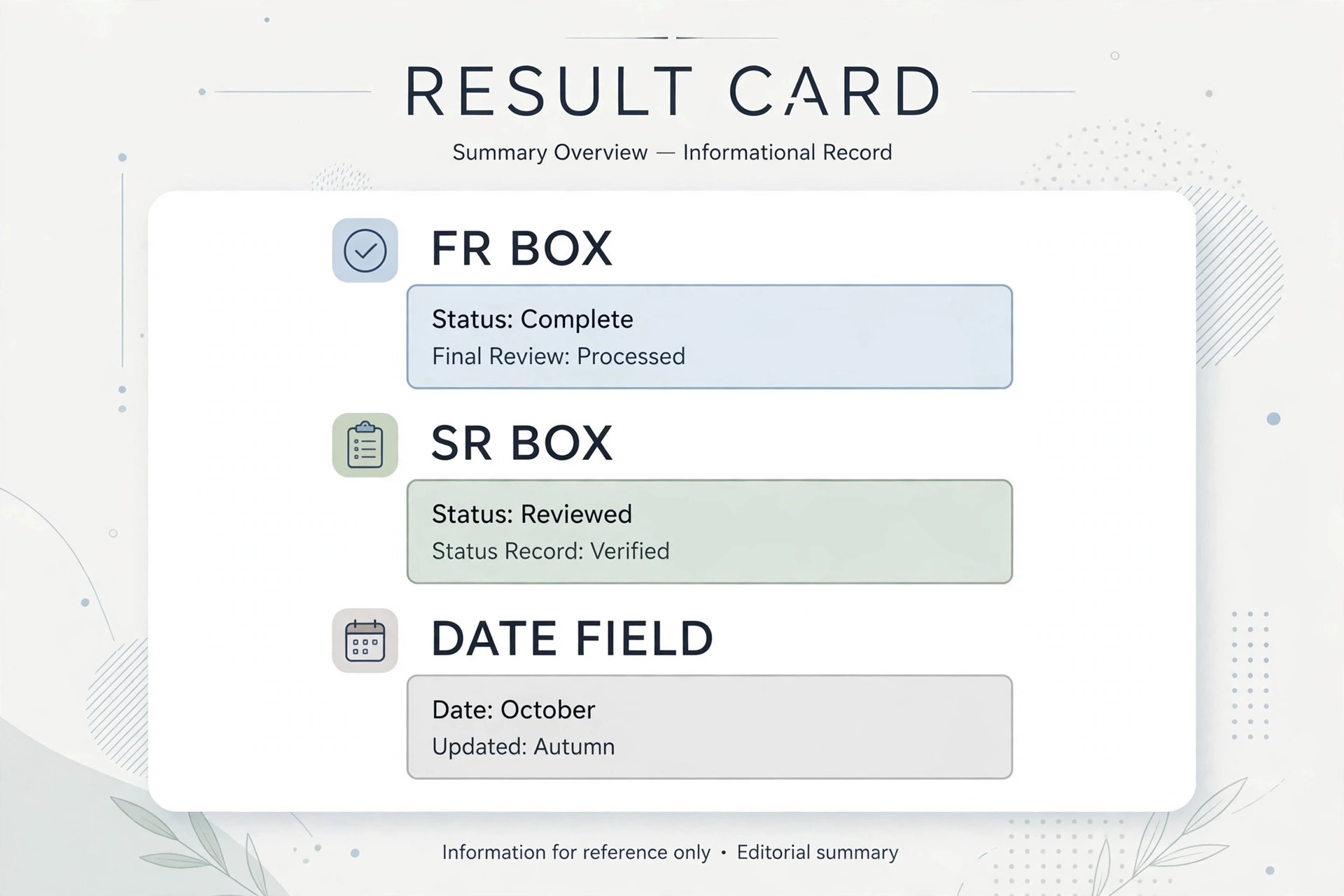
A typical card carries the date at the top, because teer results are strictly daily and yesterday’s numbers tell you nothing about today. Below the date you will find two boxes or columns, one labelled FR and one labelled SR. Each box holds a two digit number once the round is declared. Before declaration, a box shows the placeholder “-” which simply means “not declared yet”. It does not mean zero, it does not mean the result is hidden, and it does not mean the website failed to load.
Some cards also carry a session label, such as morning or afternoon, because Khanapara runs a morning session in addition to the main afternoon session. This label is the most misread part of the whole card. A morning FR number and an afternoon FR number are outcomes of two different archery events, and they must never be mixed. When a card does not name a session, it conventionally refers to the main afternoon session, but well designed pages label everything clearly. On this site, the Teer Result Now homepage shows the current day’s card, while the dedicated Khanapara teer result page and Khanapara morning teer result page keep the two sessions separate so you always know which game you are reading.
One more reading skill worth building: always check the date before the numbers. It sounds obvious, but a surprising number of beginners argue about “wrong” results that turn out to be yesterday’s card still open in a browser tab. Fresh date first, then FR, then SR, then session label. In that order, every time.
The Daily Rhythm in Simple Terms
Now that you know what the result is and how it is made, here is how a normal playing day flows from a follower’s point of view. Think of the day as two acts with an intermission.
The morning session, on days it runs, opens the day with its own FR and SR declared in the late morning. Then comes the main afternoon session: the archers shoot the first round, the FR number is declared in the mid afternoon, there is a break, the second round is shot, and the SR number is declared roughly an hour after the FR. By late afternoon or early evening, the full day is complete and the archive holds four numbers: morning FR, morning SR, afternoon FR, and afternoon SR.
You do not need to watch any of this live. The practical routine is just three calm checks: late morning for the morning session if you follow it, mid afternoon for the FR, and a return visit for the SR. Between those windows, refreshing constantly changes nothing, because the archers set the pace and no website can hurry them. The game also rests on Sundays and public holidays, so a blank card on those days is normal. The teer result list on this site keeps the full archive, which is the easiest way to confirm whether any given date was a playing day.
Where Beginners Should Check the Result
As a beginner, where you check matters as much as what you check. The internet is full of teer result pages, and they are not all equal. Some are careful and update from genuine declarations; others copy slowly, mix up markets, or publish invented numbers to attract clicks. Here is how to pick safe sources from day one.
First, prefer pages that clearly label the market, the session, and the date on every card. A page that just shows numbers with no labels is asking you to guess, and guessing leads to misreading. Second, prefer pages that show the “-” placeholder honestly before declaration instead of filling the box early. An honest blank is a sign of a trustworthy page; a suspiciously early number is a warning sign. Third, cross check an important reading against a second independent source. When two established pages agree, you can rely on the number. When they disagree, wait an hour and look again.
Build the habit of going directly to your bookmarked pages instead of searching fresh every day. Search results tend to surface whatever is newest or most clicked, not whatever is most accurate, and a hasty click can land you on a page that mixes the Shillong or Juwai markets in with Assam teer. Each market holds its own archery at its own ground on its own schedule, so a number from another market is never a substitute for the Khanapara result, no matter how confidently it is displayed.
Common Beginner Mistakes and How to Avoid Them
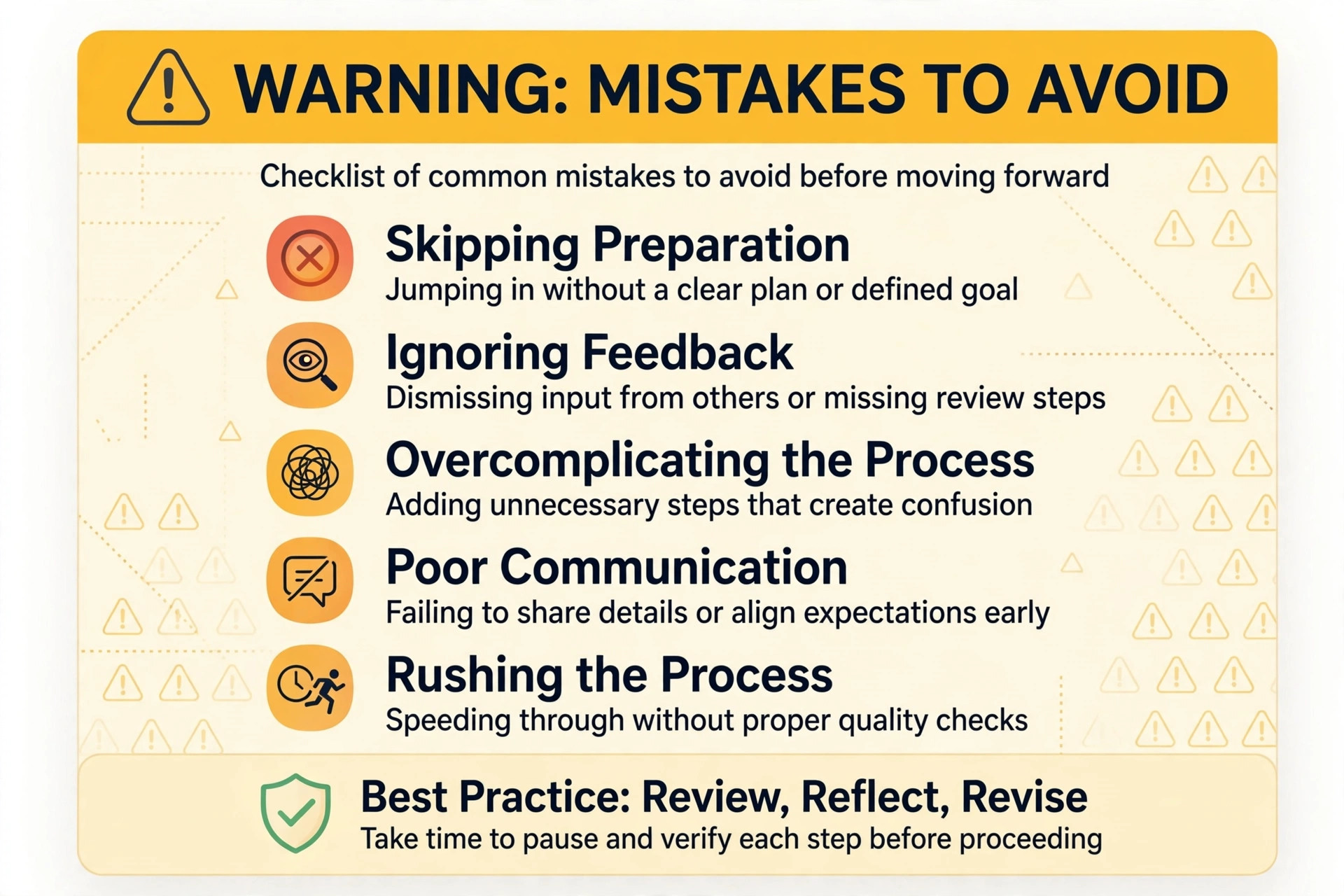
Every beginner makes a few predictable errors. Knowing them in advance lets you skip the confusion entirely.
Mistake 1 – Reading yesterday’s card. Browser tabs stay open, and yesterday’s numbers look exactly like today’s. Always confirm the date on the card matches today before reading the numbers.
Mistake 2 – Mixing the morning and afternoon sessions. The morning FR is not an early version of the afternoon FR. They are separate archery events. Check the session label every time, or use separate pages for each session.
Mistake 3 – Trusting the first number you see. The fastest page is not always the most accurate page. A number that appears long before the archery could have been counted is not a scoop; it is a guess dressed up as news. Wait for confirmation across sources.
Mistake 4 – Treating “-” as a problem. The placeholder is normal and honest. It means the round is pending, the day is a holiday, or the counting is still underway. Do not go hunting for a “real” number to fill it; the real number arrives on its own schedule.
Mistake 5 – Confusing markets. Assam teer, Shillong teer, and Juwai teer are different games at different grounds. A result card must name its market. If it does not, do not assume it is the one you want.
Mistake 6 – Believing prediction content. You will quickly encounter pages offering “common numbers”, “hit numbers”, or “target numbers” for upcoming rounds. These have no connection to the archery that decides the result. The arrows have not been shot yet, so nobody can know the count. Treat all prediction content as entertainment at best and a scam signal at worst, and never pay anyone for numbers.
Assam Teer Result Archives – Your New Best Friend
One of the smartest habits a beginner can build is using the archive instead of relying on memory or screenshots. A result archive is simply the list of past days with their FR and SR numbers, kept in date order. Whenever you are unsure about something, the archive settles it: Was there a game last Sunday? What did the Friday rounds declare? Did I misremember yesterday’s SR? The archive answers in seconds.
Archives also teach you the natural rhythm of the game without any risky theorizing. You will notice the Sunday gaps, the occasional festival holiday, and the normal range of declaration times across weeks. This background knowledge is what separates a calm follower from an anxious one. When a result is late, the calm follower remembers that late declarations happen regularly and waits; the anxious follower assumes something is broken and starts clicking dubious sites. Be the calm follower. The archive is on your side.
Responsible Play Basics for New Followers
Teer is a legal lottery in Meghalaya, conducted under state supervision, and participation is strictly limited to adults aged 18 and above. If you are under 18, following the results out of curiosity is one thing, but playing is not for you. For adults who choose to play, a few basics keep the game healthy: set a fixed entertainment budget before the day begins and stop when it is spent, never borrow money to play, never chase a loss by playing more, and treat every ticket as paying for entertainment rather than buying a financial plan. If the game ever stops being fun or starts causing stress, step away completely. You can read about the broader context of the game on the Meghalaya government portal.

Frequently Asked Questions
What is the assam teer result in simple words?
The assam teer result is the declared outcome of the archery based teer game held at Khanapara near Guwahati. Each playing day produces result numbers from two rounds of archery, called FR (first round) and SR (second round), and these numbers are published on result pages once the arrows are counted and confirmed.
What do FR and SR stand for?
FR stands for first round and SR stands for second round. Each is a separate archery session with its own arrows, its own counting, and its own declared two digit number. The FR is declared first, and the SR follows after a break. A complete session result shows both numbers together.
How is the winning number actually decided?
Archers shoot a fixed number of arrows at a target, officials count how many arrows hit the target, and the last two digits of that count become the declared number for the round. That is the entire mechanism. There is no draw machine and no random generator involved.
Where can I check the assam teer result safely as a beginner?
Use result pages that clearly label the market, the session, and the date, and that show an honest “-” placeholder before declaration. Bookmark two such pages and compare them when a number matters to you. Avoid pages that publish numbers suspiciously early or that never label which market and session a card belongs to.
Why do some websites show the result earlier than others?
Sometimes one page simply updates faster after the genuine declaration, which is harmless. But a page showing a “confirmed” number well before the archery could have been counted is not faster; it is inventing the number. Genuine speed follows the real event, so treat extremely early numbers as fake.
Is it true that some numbers are “due” or “likely” to come?
No. Each round starts fresh with new arrows and a new count, so past results do not influence future rounds. Content about common numbers, hit numbers, or target numbers has no connection to the archery and should be ignored. Never pay anyone who claims to know upcoming numbers.
Conclusion
The assam teer result is refreshingly simple once the jargon falls away: archers shoot, officials count, and the last two digits of the count become the FR and then the SR number for the day. Read the date first, check the session label, respect the “-” placeholder, and confirm important numbers across two sources. Do that, and you will read every result card with the confidence of someone who has followed the game for years.