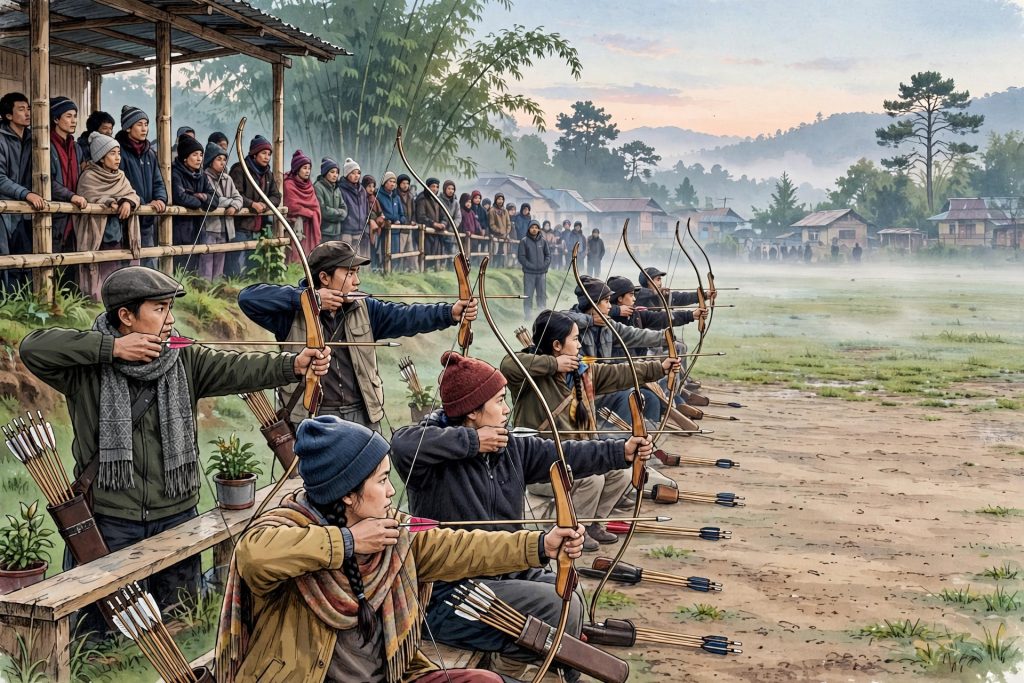
If you follow the game every day, you know that teer result time is not one single moment. It is a chain of small moments spread from morning to night, each one with its own round, its own ground, and its own few minutes of suspense. This article walks you through a full live teer day, minute by minute, so you always know what is happening right now, what comes next, and when the online updates for each round typically land. We cover the teer result timing of all three major markets, Shillong, Juwai and Khanapara, plus the morning and night sessions, and we explain the declaration pipeline behind every single result.
Think of this page as your companion for the whole day. Bookmark it, and whenever you wonder whether the next result is due, scroll to the section for the current part of the day. Every time mentioned here is approximate and given in Indian Standard Time. Exact minutes can shift a little by organizer and by day, so for the precise declared value, always check the live result cards on this site.
Why Teer Result Time Matters More Than Most People Think
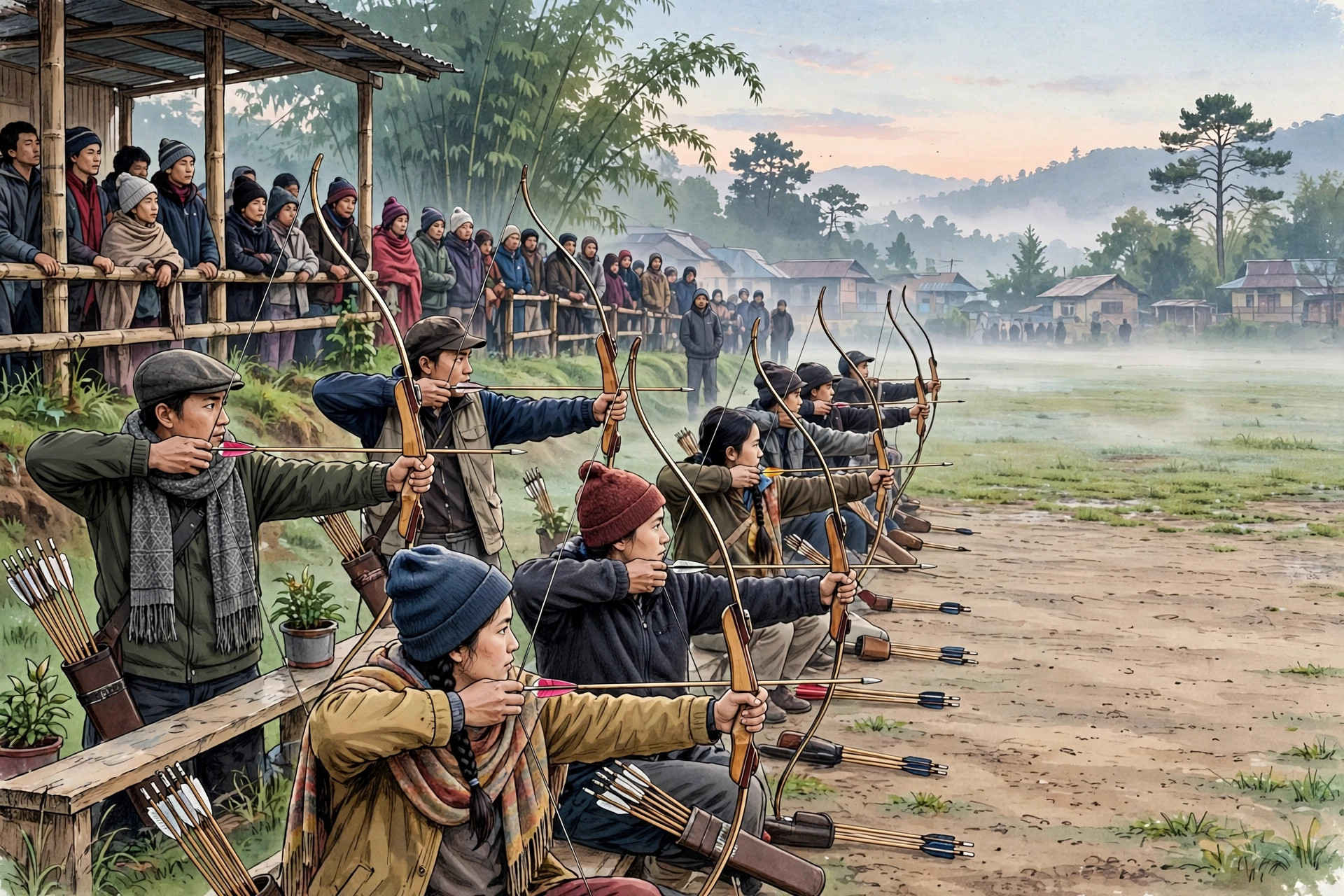
Newcomers often ask a simple question: at what time does the teer result come? The honest answer is that there is no single answer. Teer is played in rounds, two rounds per session, across several sessions a day, and each round has its own result time. Missing the idea of rounds is the most common confusion among beginners, and it is exactly why a clear teer result timing guide matters.
What “Result Time” Really Means
When people say teer result time, they usually mean the moment a round’s result is declared and then appears online. But there is a short chain of events behind that moment. First the archers shoot their arrows at the target. Then officials count the arrows that hit. Then the number is announced at the ground. Only after that do websites publish it. The gap between the shooting and the online update is usually only a few minutes, but it exists, and knowing about it stops a lot of needless refreshing.
The Three Markets and Their Rhythms
Three markets define the teer day: Shillong, Juwai and Khanapara. Each runs its own schedule with a first round (FR) and a second round (SR). On top of these, there are morning and night sessions that extend the day at both ends. The markets share a rhythm, shooting, counting, declaring, but they run it at different hours. That staggered rhythm is what makes a teer day feel like one long relay race from morning to night.
A helpful way to remember the day is to divide it into four acts: the morning sessions, the midday Juwai rounds, the big afternoon block with Shillong and Khanapara, and the night sessions that close the day. The rest of this article follows those four acts in order, exactly as a live day unfolds.
Act One – The Morning Sessions, Roughly 10:00 AM to 12:30 PM
The teer day starts earlier than many people expect. Long before the famous afternoon rounds, the grounds in Shillong, Juwai and Khanapara are already busy with morning play. If you check teer result time today in the late morning, these are the results you will see first.
Before the First Arrows, Around 9:30 to 10:15 AM
A teer ground in the morning has a calm, almost routine feeling. Archers arrive, collect their bows, and take their positions. Officials set up the target and the counting area. Ticket counters do their last-minute business, and the small crowd that gathers for the morning session finds its spots. Nothing dramatic happens here, but this quiet preparation is the foundation of every teer result timing schedule. Without the setup, there is no shooting, and without the shooting, there is no result.
For online followers, this is the quiet window. No results are due yet, and the result cards for the day are usually still showing yesterday’s values or blank placeholders. This is a good time to note the schedule and plan when you will check back.
Shillong Morning and Juwai Morning FR, Usually Around 10:30 AM
The first real teer result time of the day arrives with the morning first rounds. Shillong Morning FR is typically declared at around 10:30 AM, and Juwai Morning FR follows very close behind, usually around 10:30 to 10:40 AM. The archers shoot a fixed number of arrows, the officials count the hits, and the two-digit number is announced at the ground within minutes.
Online, the update for these rounds usually lands a few minutes after the ground announcement. If you are watching the Shillong teer time closely, expect the morning FR to appear on result websites between roughly 10:35 and 10:50 AM. Slight delays are normal, especially on busy days.
Shillong Morning and Juwai Morning SR, Usually Around 11:30 AM
The second round follows the same pattern about an hour later. Shillong Morning SR is typically declared at around 11:30 AM, with Juwai Morning SR usually around 11:30 to 11:40 AM. Fewer arrows are shot in the second round than in the first, which is a detail regular players know well, but the counting and announcement process is identical.
By about noon, the morning chapter of the day is complete. Four results are in, and the grounds take a breather before the midday and afternoon sessions.
Khanapara Morning FR and SR, Usually Around 11:00 AM and 12:00 PM
Khanapara runs its own morning session on a slightly shifted clock. Khanapara Morning FR is typically declared at around 11:00 AM, and Khanapara Morning SR at around 12:00 PM. If you track khanapara teer time specifically, these are the two moments to watch before lunch. The declaration pipeline is the same, shooting, counting, announcing, publishing, and the online update usually follows within minutes of the ground announcement.
For a full archive view of every declared round, the full teer result list keeps each session organized by market and round.
Act Two – The Midday Juwai Rounds, Roughly 2:00 to 3:30 PM
After the morning sessions, the teer day goes quiet for a couple of hours. Grounds reset, archers rest, and the online world waits. Then the afternoon begins with Juwai.
Juwai FR, Usually Around 2:30 PM
Juwai’s main first round is typically declared at around 2:30 PM. This is one of the most-watched juwai teer time moments of the day because it opens the afternoon sequence. The ground fills again, the archers take their positions, and the familiar cycle repeats: shooting, counting, announcing.
Online updates for Juwai FR usually appear within a few minutes of the declaration, so checking back at around 2:35 to 2:45 PM is the sensible window. If the update is a little late, it is usually just the normal pipeline delay, not a problem.
Juwai SR, Usually Around 3:00 to 3:10 PM
The second round of Juwai’s main session is typically declared at around 3:00 to 3:10 PM. By this point the afternoon is properly underway, and attention starts shifting toward the biggest block of the day, the Shillong and Khanapara afternoon rounds that follow shortly after. You can follow the day’s Juwai rounds on the Juwai teer result page.
Act Three – The Afternoon Main Event, Roughly 3:30 to 5:00 PM
This is the heart of the teer day. Between mid-afternoon and early evening, the most famous rounds of all three markets are declared in quick succession. If you only follow teer result time for one part of the day, this is the part.
Shillong FR, Usually Around 3:45 PM
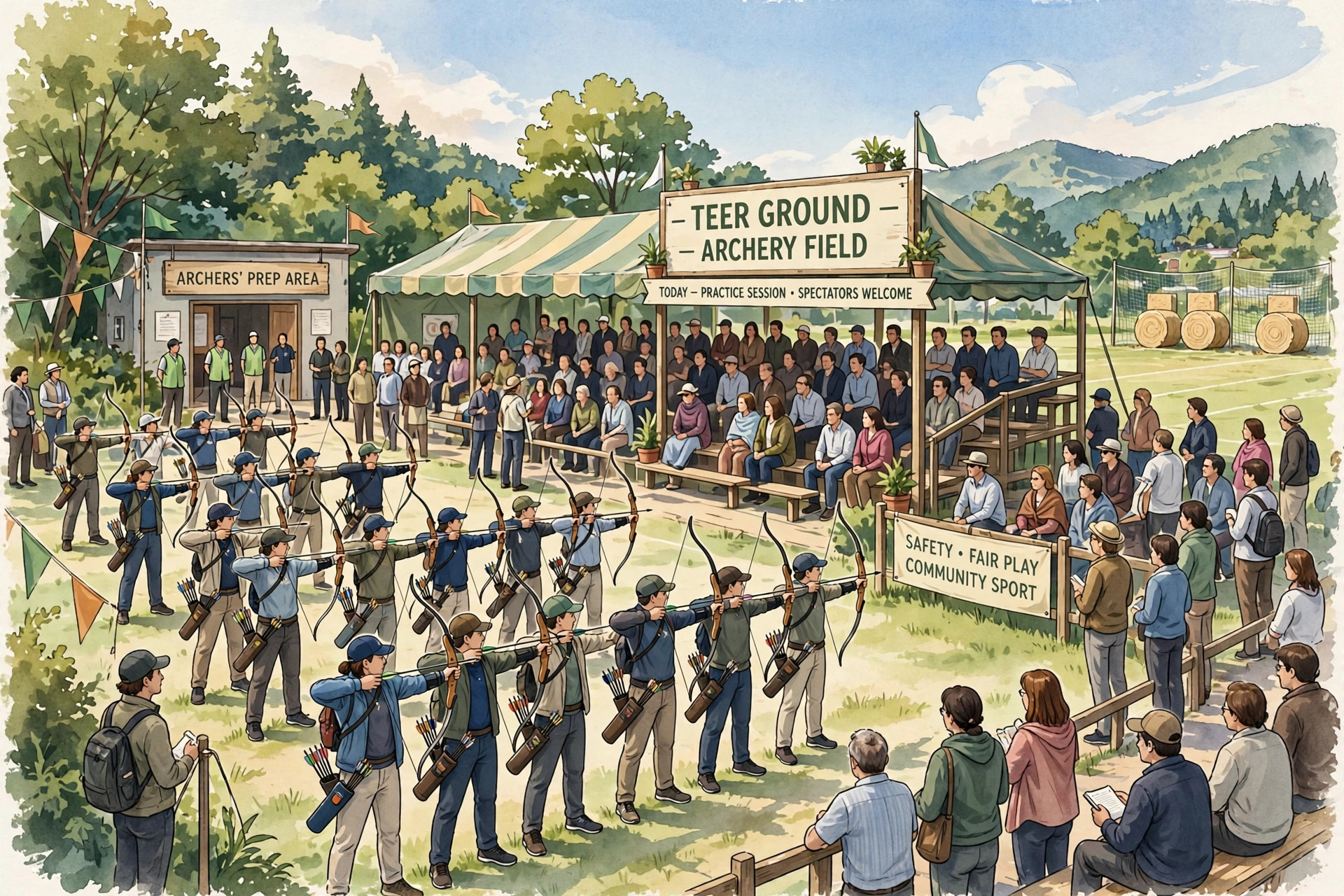
The Shillong first round is the single most followed teer result time in the game. It is typically declared at around 3:45 PM. The Polo Ground atmosphere at this hour is electric, with the largest crowd of the day and the longest queues at the counters earlier in the afternoon. Dozens of archers shoot in the first round, the officials count, and the announcement draws the biggest reaction of the day.
Because so many people check at once, the online update for Shillong FR is the one most affected by the small pipeline delay. The ground announcement happens at around 3:45 PM, and websites usually publish it within the next five to fifteen minutes. Refreshing every ten seconds will not make it appear faster; the update lands when the verified number reaches the publisher.
Khanapara FR, Usually Around 4:10 to 4:20 PM
Shortly after Shillong’s first round, Khanapara declares its own first round, typically at around 4:10 to 4:20 PM. The khanapara teer time for the afternoon FR sits neatly in the gap between Shillong’s two rounds, which is why followers of both markets get a near-continuous stream of results through the late afternoon.
Jowai and Ladrymbai FR, Usually Around 4:45 PM
Around the same window, the Jowai and Ladrymbai first round is typically declared at around 4:45 PM. These smaller markets run on a compact schedule, and their results round out the afternoon picture for followers who track every market.
Shillong SR, Khanapara SR and Jowai SR, Usually Around 4:45 to 4:50 PM
The afternoon closes with a cluster of second rounds. Shillong SR is typically declared at around 4:45 PM, Khanapara SR at around 4:45 to 4:50 PM, and Jowai and Ladrymbai SR at around 4:50 PM. Within about ten minutes, the entire afternoon block is complete. It is a fast, dense finish to the busiest ninety minutes of the teer day, and the Shillong teer result page is where most readers check these numbers first.
The Evening Pause, Roughly 5:00 to 8:00 PM
After the afternoon cluster, the teer day exhales. Grounds empty, counters close, and there is a genuine pause of about three hours before the night sessions. This is the calmest part of the day in teer result timing, and it serves a practical purpose: it gives organizers time to settle the afternoon, and it gives followers a break.
For online readers, the evening pause is the best time to review the day so far. All afternoon results are confirmed and stable by now, so any earlier confusion about delayed updates is resolved. It is also the natural moment to note the night session times if you plan to follow the close of the day.
Act Four – The Night Sessions, Roughly 8:00 to 10:00 PM
Just when the day seems over, teer returns for one final act. The night sessions replay the familiar two-round structure under floodlights, and they close the daily cycle.
Shillong Night FR, Usually Around 8:30 PM
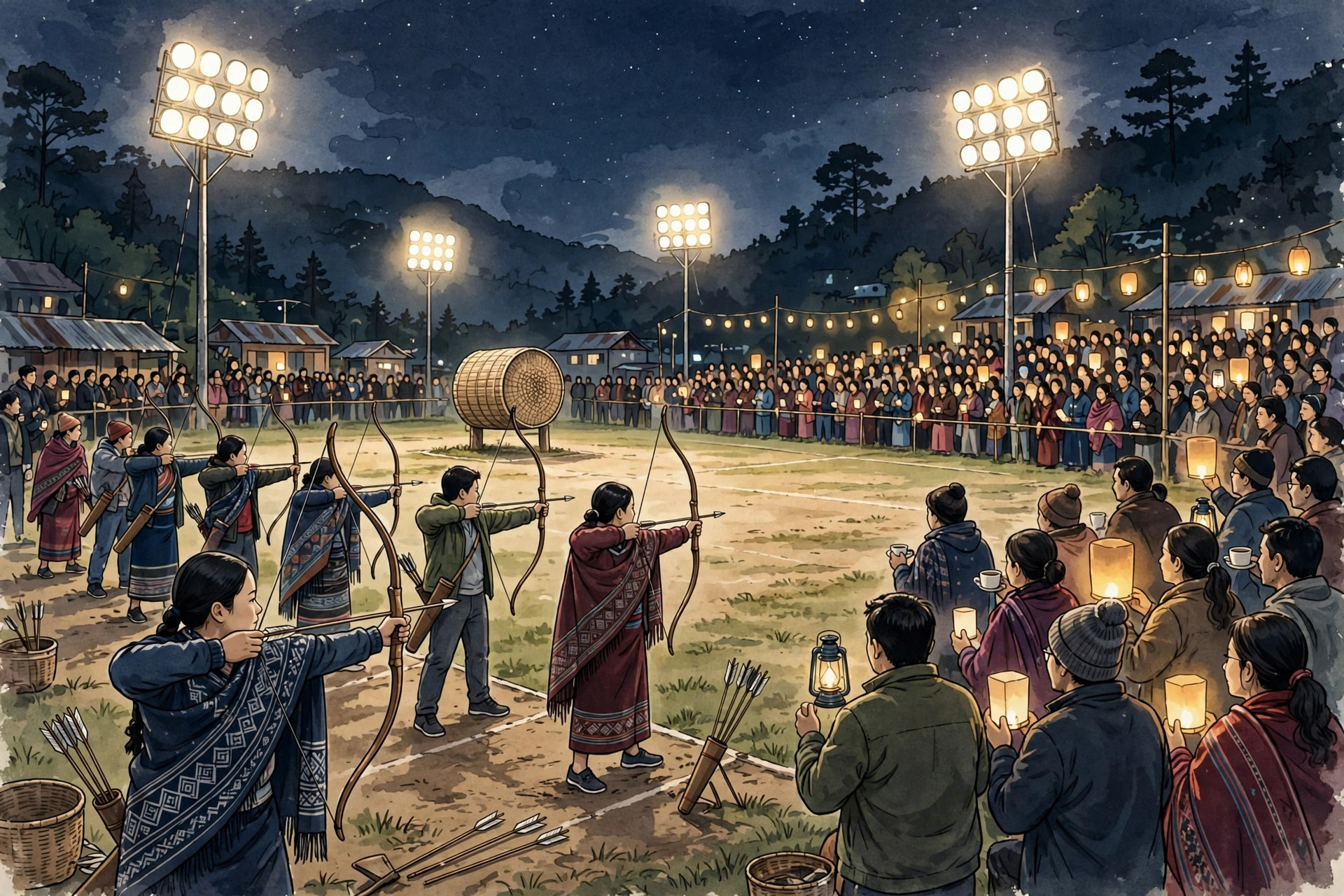
The Shillong Night first round is typically declared at around 8:30 PM. The night ground has a different feel from the afternoon, smaller crowds, cooler air, and the play of floodlights on the target. But the process is unchanged: archers shoot, officials count, the number is announced.
Online, the night FR update usually appears within a few minutes of the declaration. Night sessions sometimes run with slightly smaller publishing delays because fewer sites are updating at that hour, but the usual few-minute gap still applies.
Shillong Night SR, Usually Around 9:30 PM
The Shillong Night second round, typically declared at around 9:30 PM, is the last major result of the day. When it is announced and published, the full daily cycle is complete, from the first morning arrows at around 10:30 AM to the final night declaration some eleven hours later.
Night Teer FR and SR, Usually Around 8:30 PM and 9:30 PM
Alongside the Shillong night session, the Night Teer market declares its first round at around 8:30 PM and its second round at around 9:30 PM. Together with Shillong Night, these results form the closing chapter of the day. After about 10:00 PM, when all night updates are confirmed online, the teer day officially ends, and the grounds go quiet until the next morning.
Sunday is the weekly holiday across the markets, so no rounds are held and no new teer result time applies. The cycle resumes on Monday morning.

The Declaration Pipeline – How Every Teer Result Time Is Made
Every time listed in this article is produced by the same four-step pipeline. Understanding it explains both the schedule and the small delays between the ground announcement and the online update.
Step 1 – The Archers Shoot
Each round begins with the archers shooting a set number of arrows at a target, traditionally a cylindrical bamboo target. The first round involves more archers and more arrows than the second round. The shooting itself takes only a few minutes, and it is the starting gun for that round’s result time.
Step 2 – The Officials Count
Once shooting ends, officials collect and count the arrows that struck the target. This is careful, manual work, and accuracy matters more than speed. The count determines the last two digits that become the round’s result. Counting usually takes a few minutes, and it is the main reason a round declared “around” a certain time may land a few minutes on either side.
Step 3 – The Result Is Announced at the Ground
With the count verified, the result is announced publicly at the ground. This announcement is the official teer result time for that round. Everyone present hears it at once, and from this moment the number is final for that round.
Step 4 – Websites Publish the Update
After the ground announcement, result websites receive the verified number and publish it to their result cards. This final step usually takes a few minutes. It involves a human publisher confirming the number and updating the page, which is why the online teer result timing always trails the ground announcement slightly. When a result seems “late” online, it is almost always this publishing step, not a problem with the round itself.
Teer Result Time Today – How to Check the Live Schedule
Knowing the typical schedule is only half the job; the other half is checking teer result time today as it actually unfolds. Here is a simple routine that works every game day.
Step 1 – Start from the Homepage
Open the Teer Result Now homepage to see today’s result cards. Each card shows the market, the round, the declared result or a placeholder, and the time it was declared or expected. This is the fastest way to answer “what is the teer result time right now” at any moment of the day.
Step 2 – Match the Clock to the Schedule
Compare the current time with the typical schedule in this article. If it is 3:40 PM, you know Shillong FR is due in about five minutes. If it is 6:00 PM, you know the afternoon block is done and the next result is the night session at around 8:30 PM. The schedule turns a vague wait into a precise expectation.
Step 3 – Allow the Publishing Gap
If a round’s typical time has just passed and the card still shows the old value, wait a few minutes before worrying. The declaration pipeline’s final step, publishing, is where the small delays live. Ten to fifteen minutes after the typical time is a reasonable window before assuming anything unusual.
Step 4 – Check the Archive for Confirmation
Once a result appears, it stays on the card and in the archive. If you missed a round, the result list keeps the full day’s history organized by market and round, so you can always catch up on what you missed.
When Results Run Late – What Delays Really Mean
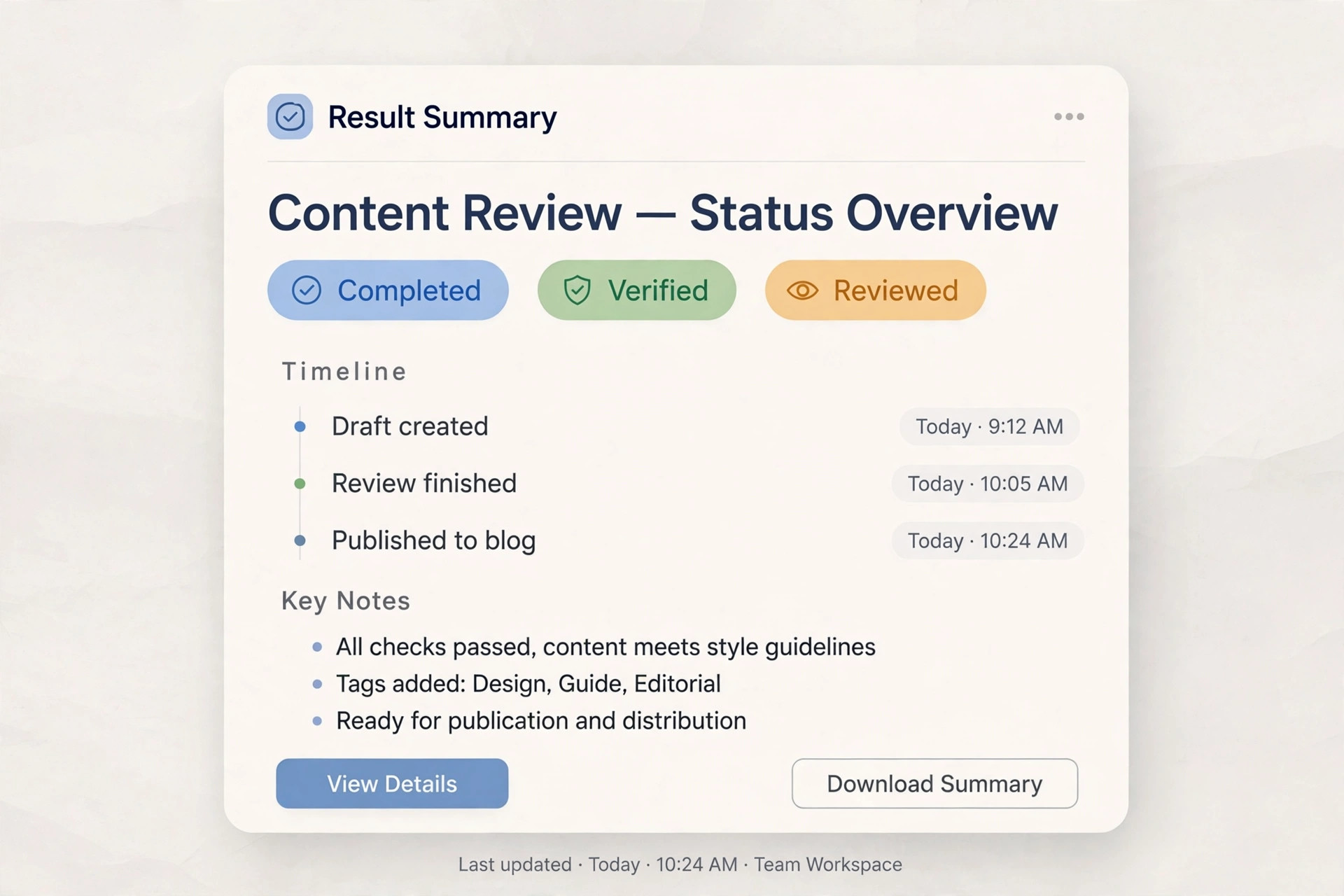
Even on a normal day, exact minutes shift. A round typically declared at around 3:45 PM might be announced at 3:48 or 3:52 PM, and nobody at the ground considers that unusual. Here are the common, innocent reasons for small delays.
Weather is the most frequent cause. Heavy rain can pause shooting until it passes, pushing the whole pipeline back. Large crowds can slow the counting step. Technical pauses at the ground, a target that needs adjusting or a recount to verify the number, add a few minutes here and there.
What delays do not mean is also worth saying. A late online update does not mean the round was cancelled, and it does not mean the published number will be different when it arrives. The pipeline is sequential, and each step waits for the one before it. Patience of ten to twenty minutes covers nearly every normal delay.
On rare occasions a session may be postponed for the day, in which case organizers announce it and websites mark the card accordingly. This is uncommon, and it is always announced rather than silent.
How to Read a Teer Result Card
Every result card on this site follows the same layout, so once you learn it, you can read any market’s card instantly.
The card names the market, such as Shillong, Juwai or Khanapara, and the session, such as Morning or Night. Below that, it names the round: FR for the first round, SR for the second round. Next to each round is the declared two-digit result, or a placeholder dash if the round has not been declared yet. Each round also carries its declaration time or its typical expected time.
A placeholder dash simply means “not yet declared.” It is not a result, and it is not a prediction. When the round is declared through the pipeline described above, the dash is replaced by the verified number and the card notes the time. That is the entire reading skill: market, session, round, number, time. Everything else on the page is context around those five facts.
A Note on Responsible Play
Teer is a legal, state-regulated lottery game in Meghalaya, open to adults aged 18 and above only. Like any form of lottery or betting, it should be treated as entertainment with money you can afford to lose, never as a source of income or a way to recover losses. Set a limit before you play, keep track of what you spend, and take breaks whenever the game stops feeling fun.
If you ever feel that playing is becoming difficult to control, pause completely and consider speaking with a counselor or a support organization in your area. This site publishes result timings and declared results as information only. We do not offer predictions, tips, or betting advice of any kind, and no timing guide can change the outcome of a round.
For official information about the state and its regulated activities, you can visit the Government of Meghalaya portal or the National Portal of India.
Frequently Asked Questions About Teer Result Time
What is the teer result time for Shillong today?
Shillong runs several sessions. Shillong Morning FR is typically declared at around 10:30 AM and Morning SR at around 11:30 AM. The main afternoon Shillong FR is typically declared at around 3:45 PM and Shillong SR at around 4:45 PM. Shillong Night FR is typically declared at around 8:30 PM and Night SR at around 9:30 PM. Exact minutes can shift slightly by day, so check the live result cards for the confirmed declarations.
What is the juwai teer time schedule?
Juwai Morning FR is typically declared at around 10:30 to 10:40 AM and Juwai Morning SR at around 11:30 to 11:40 AM. The main Juwai session has its FR at around 2:30 PM and its SR at around 3:00 to 3:10 PM. As with all markets, these are typical times and the online update usually follows the ground announcement by a few minutes.
What is the khanapara teer time schedule?
Khanapara Morning FR is typically declared at around 11:00 AM and Khanapara Morning SR at around 12:00 PM. In the afternoon, Khanapara FR is typically declared at around 4:10 to 4:20 PM and Khanapara SR at around 4:45 to 4:50 PM. Allow a few minutes after each typical time for the result to appear online.
Why does the online teer result timing trail the ground announcement?
Because publishing is the last step of a four-step pipeline. After the archers shoot and officials count, the result is announced at the ground first, and only then do websites receive the verified number and update their cards. That handoff usually takes a few minutes, and during busy periods like the Shillong afternoon rounds it can take a little longer.
Is teer played on Sunday?
No. Sunday is the weekly holiday across the teer markets, so no rounds are held and no results are declared. The game runs Monday to Saturday. If you see old results displayed on a Sunday, they are the previous day’s final values, not new declarations.
What should I do if a result seems late?
Wait ten to twenty minutes past the typical time before assuming anything is wrong. Small delays from weather, crowd size, or recounts are normal and happen regularly. The round is almost never cancelled silently; if a session is postponed, it is announced. Refresh the result card after a few minutes rather than every few seconds.
Conclusion
A teer day is a long, steady relay: morning arrows at around 10:30 AM, a midday Juwai session, the great afternoon cluster of Shillong and Khanapara rounds, a calm evening pause, and the night sessions that close the books at around 9:30 PM. Each teer result time you see online is the final step of a real physical pipeline, archers shooting, officials counting, an announcement at the ground, and then the few minutes it takes for the verified number to reach your screen.
Keep this schedule beside you through the day, give each round its small publishing gap, and check the live result cards for the exact declared values. That is all it takes to follow teer result time today, and every day, without confusion and without missing a round.