A shillong teer previous result is more than a pair of numbers on a screen. It is a small piece of public history: a record that on a certain date, at a certain round, a certain outcome was officially declared. Millions of people glance at these records every day, yet very few stop to ask what the archive is actually telling them, and just as importantly, what it is not telling them. This article takes the analytical route. Instead of rushing to the number, we will slow down and examine how to interpret Shillong Teer result history and charts correctly, where common misreadings come from, and why honest analysis draws a firm line at prediction.
Shillong Teer is the traditional archery based lottery of Meghalaya. On each working day, archers shoot at targets in two rounds, and the last two digits of the total arrows hitting the target in each round become the declared result. The first round (FR) is declared in the afternoon, and the second round (SR) follows in the evening. Every declared pair enters the permanent record, building the shillong teer result history day by day.
Why does any of this matter to you? Because how you read the archive shapes the conclusions you draw from it. A careful reader gets confirmation, context, and clarity. A careless reader gets confusion, false patterns, and sometimes false confidence. This guide will make you the careful kind.
Why a Shillong Teer Previous Result Record Matters More Than Today’s Number
Today’s number is news. Yesterday’s number, last week’s number, and last month’s numbers are the record. News expires within hours, but the record keeps working for you long after. When you look at a single declared result in isolation, all you know is what happened once. When you look at it inside its archive, you know exactly where it sits in the sequence of the game: which day it belongs to, which round it was, and whether the day’s pair is complete.
This context is what makes previous results genuinely useful. Suppose someone tells you a number and claims it was yesterday’s second round result. A quick look at the archive lets you verify the claim in seconds. Without the record, you are relying on memory or hearsay. With it, you are relying on a documented public outcome. That is the fundamental value of the archive: it turns “someone said” into “the record shows.”
There is also a quieter benefit. Regular players often want to confirm their own notes. Writing down a result you saw and later checking it against the archive is a simple discipline that prevents the small errors that creep into memory, especially when two rounds a day blur together. The Teer Result Now homepage keeps the latest declarations visible for exactly this kind of quick confirmation.
How to Read a Shillong Teer Previous Result Chart Correctly
Most confusion about previous results does not come from the numbers. It comes from reading the chart the wrong way. A teer result chart is a simple table, but every column has a specific meaning, and misreading one column can change the entire meaning of a row.
The Anatomy of a Chart Row
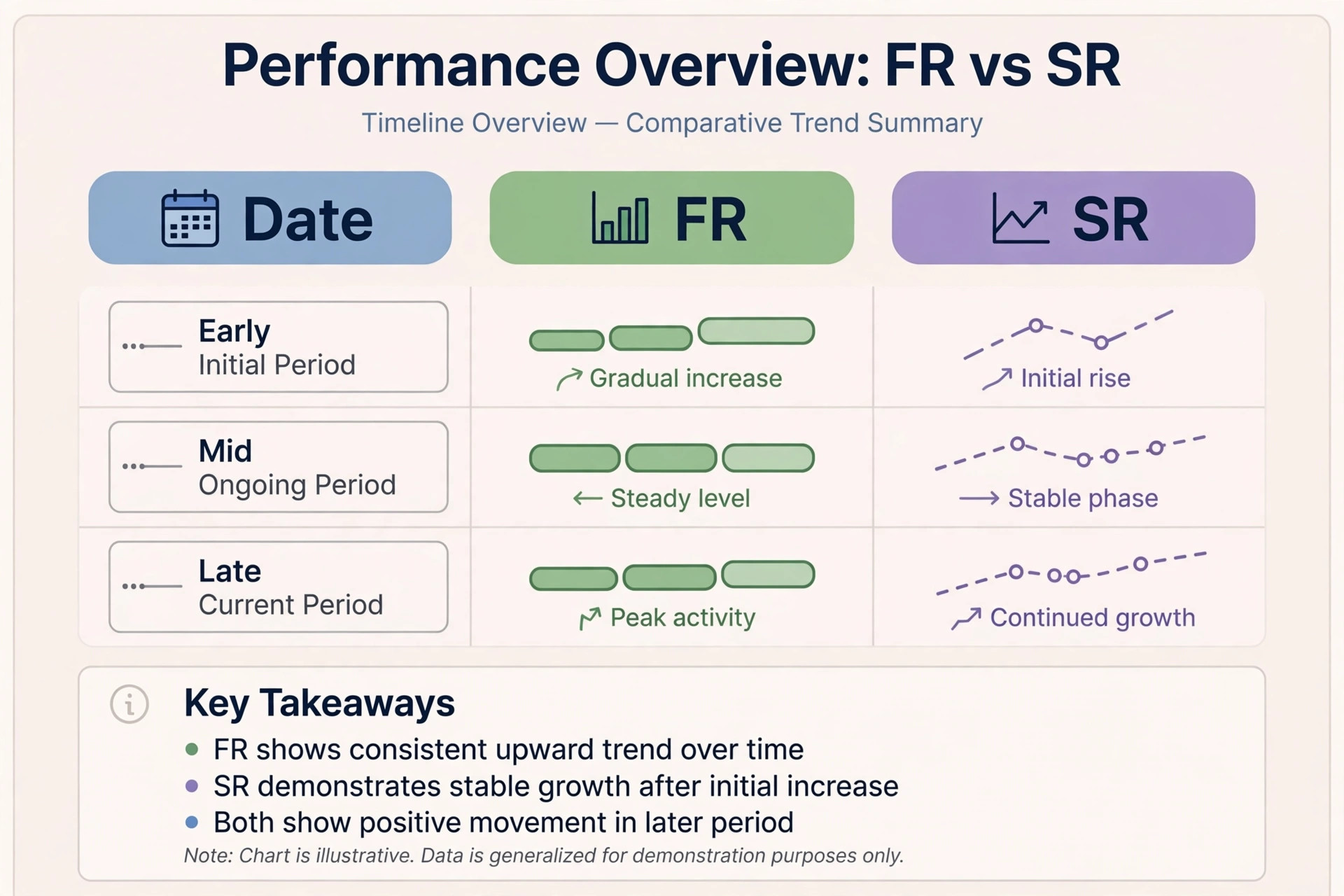
A complete row in a Shillong Teer chart has three parts: the date, the FR value, and the SR value. The date tells you which day the rounds were played. The FR value is the declared outcome of the first round, and the SR value is the declared outcome of the second round. That is the entire structure. Anything beyond these three elements is decoration, and decoration is where misreadings begin.
Column Order Is a Convention, Not a Law
Most archives place FR before SR, left to right, because the first round is declared first in the day. This is a sensible convention, and you can usually rely on it. But you should still glance at the column headings when you open an unfamiliar archive. A site that reverses the order or uses unclear labels can make you read the SR number as the FR number, and no amount of careful analysis fixes a mistake made at the reading stage.
Placeholders and Incomplete Rows
Analysts must be especially careful with rows for the current day. An archive may show today’s date with the FR filled in and the SR column showing a dash (-). The dash is a placeholder for “not yet declared,” not a value. Treating an incomplete row as a final record is one of the most common errors in reading result history. A row only becomes a true part of the shillong teer result history once both rounds are declared. Our Shillong Teer result page updates each round as it is declared, so the status of the current day is always clear.
What the Shillong Teer Result History Archive Actually Contains

It helps to be precise about what “result history” means. The shillong teer result history is the complete chronological sequence of declared FR and SR outcomes, organized by date. Each entry is a fact about the past. It tells you what was declared, when it was declared, and for which round. That is all it tells you, and the discipline of good analysis is to resist adding meanings the data does not carry.
A useful way to think about the archive is as a ledger. A ledger records transactions faithfully but does not explain them. Similarly, the result archive records outcomes faithfully but does not explain why a particular number appeared. The number came from arrows hitting a target on that day, in those conditions, by those archers. The archive preserves the outcome, not the story behind it.
This distinction matters because it sets the correct expectations. If you approach the archive as a ledger, you will use it well: for verification, for record keeping, for understanding the rhythm of the game. If you approach it as a puzzle that hides future answers, you will misuse it, no matter how carefully you study it. The archive rewards the ledger mindset and punishes the puzzle mindset.
What Past Records Can Tell You (and What They Cannot)
This is the heart of the analytical angle, so let us be explicit. Past records can tell you several genuinely useful things. They can confirm whether a number you remember is accurate. They can show you the schedule pattern of the game, including which days have no results because they are Sundays or holidays. They can help you understand declaration timing, so you know when to expect each round. And they can give you a sense of the game’s long term rhythm, which is interesting in its own right.
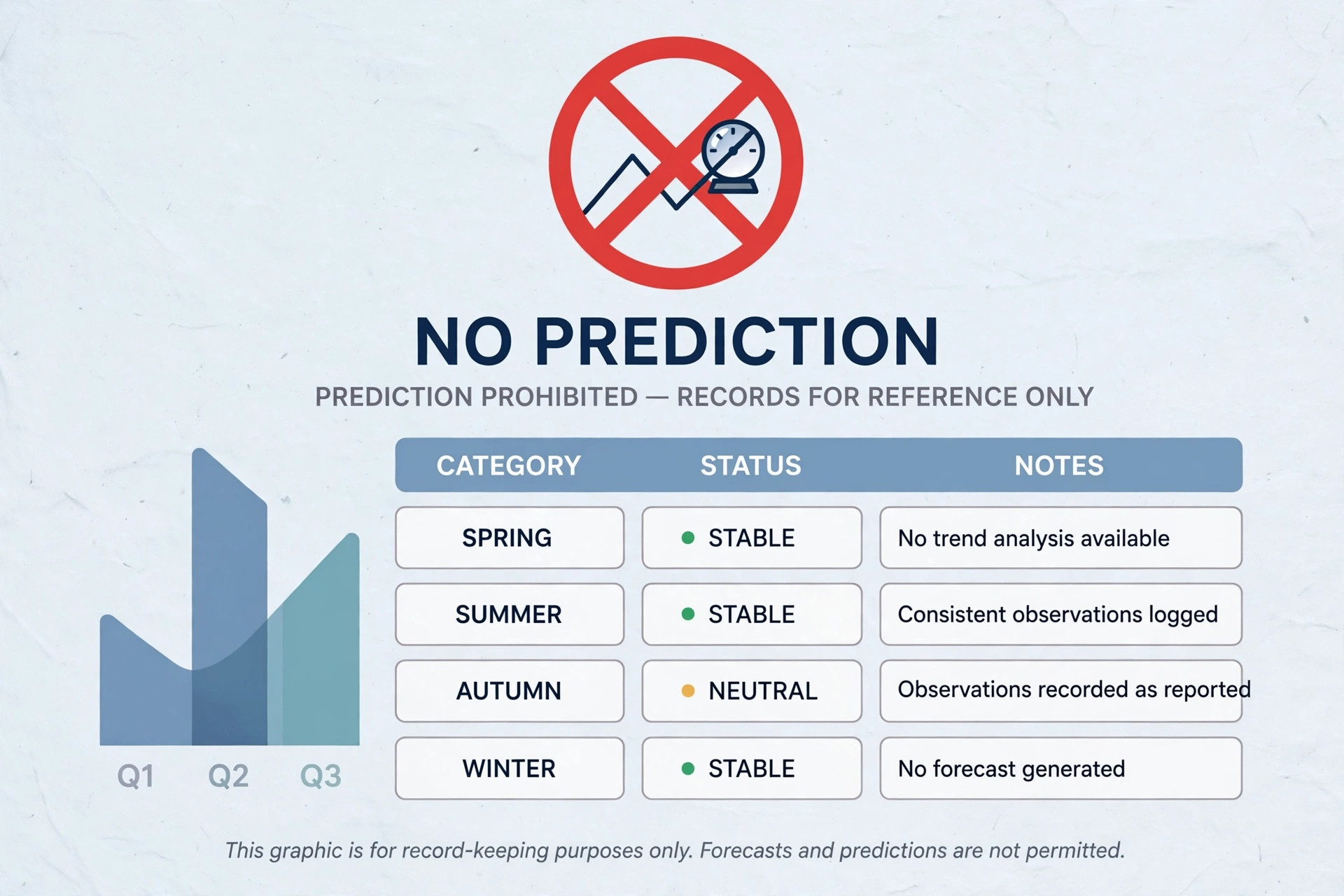
What they cannot tell you is the future. Each Teer round is an independent event. The archers shoot, the arrows land, and the count is what it is. The outcome of Monday’s first round has no mechanical influence on Tuesday’s first round. This is not a matter of opinion; it follows from how the game physically works. No arrangement of past numbers changes what happens on the target tomorrow.
This is why you should be deeply skeptical of any content that claims to extract “common numbers,” “hit numbers,” or “target numbers” from previous results. These are speculative inventions dressed up as analysis. Real analysis of a shillong teer previous result record describes what happened. Fake analysis pretends to know what will happen. Learning to tell the difference is the single most valuable skill this guide can give you.
How Analysts Organize Shillong Teer Result Lists Without Making Mistakes
People who work with result data regularly develop small systems that keep them accurate. You do not need special software. You need consistency.
The first practice is to always record the date alongside the number. A number without a date is nearly useless in an archive context, because the same two digit value appears many times across history. Consider a hypothetical format example (example only, not a real result): “FR was 47” means nothing. “FR on 12 March was 47” is a verifiable fact. Always pair the value with its date and round.
The second practice is to note the source and the time you checked. Archives update at slightly different moments after declaration, so if you check two sources and one shows an extra round, it usually means one source updated first. Noting when you checked removes the mystery. The daily teer result list on this site is updated promptly after each declaration, which minimizes these timing gaps.
The third practice is to keep one master reference instead of scattered notes. Whether it is a notebook, a spreadsheet, or a bookmarked archive page, having a single place you trust beats having fragments across apps and chats. When a question arises, you consult the master reference. Simple, fast, and far less error prone.
Common Misreadings of Previous Teer Result Data
Even careful readers fall into traps. Here are the four most common misreadings, so you can recognize and avoid them.
The first is the round swap: reading the SR number as the FR number, or vice versa. This usually happens on unfamiliar archive layouts or when someone is in a hurry. The fix is the habit we discussed earlier: check the column headings first, every time.
The second is the date slip: attributing a result to the wrong date, typically by one day. This happens most often around midnight, when “yesterday” and “today” blur, and on Mondays, when players forget that Sunday had no game. Always read the date column explicitly rather than assuming which day a row belongs to.
The third is the incomplete row error: treating today’s partially filled row as a final record. If the SR column shows a dash, the day is not finished. Any conclusion drawn from an incomplete row is premature by definition.
The fourth, and most dangerous, is the pattern illusion: the human tendency to see meaningful sequences in random data. Streaks, repetitions, and apparent rhythms appear in any long enough sequence of numbers, including sequences generated by purely physical processes like archery. Noticing that a value repeated is fine. Concluding that the repetition means something about tomorrow is not analysis; it is superstition wearing analytical clothing.
Why Honest Archives Never Promise Future Outcomes
A word about the responsibility of result publishers. An archive exists to record the past. The moment a site uses its archive to promise future numbers, it has crossed from reporting into speculation, and it is no longer serving its readers honestly. This site takes the opposite position: we publish declared results, we explain how to read them, and we state clearly that past outcomes do not predict future ones.
This matters for a practical reason. Players who believe past results predict future ones make decisions based on a false premise. They may spend more than they intended, chasing a pattern that does not exist. An honest archive protects its readers by refusing to feed that illusion. You can read about our publishing principles to see how seriously we take this line.
If you want background on the game beyond the numbers, the Teer article on Wikipedia describes its history and mechanics, and the Meghalaya government portal outlines the legal framework under which the game operates. Neither source offers predictions, because predictions are not something a serious source can offer.
Building a Personal Verification Routine
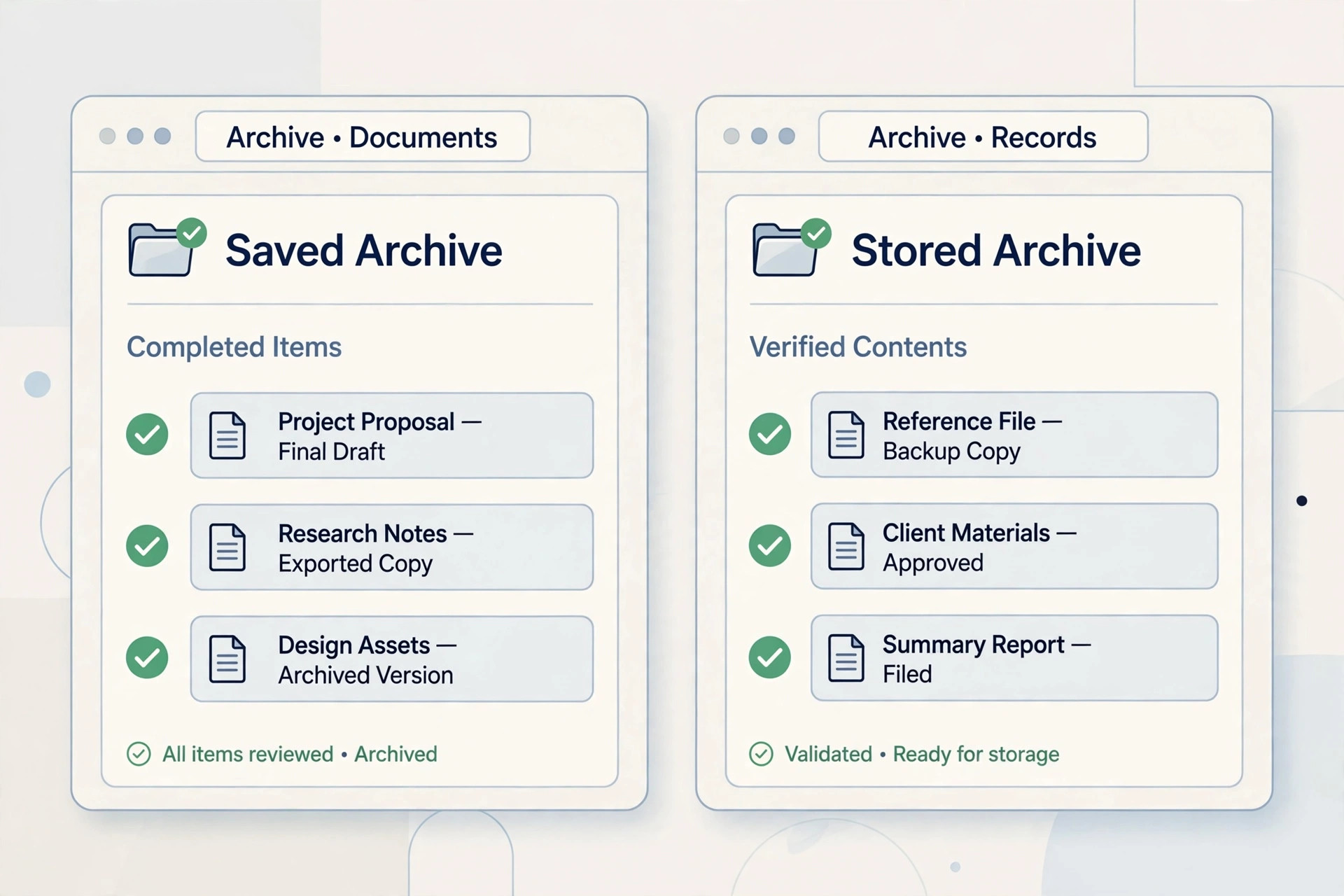
Reading carefully is a skill, but verifying is a habit, and habits protect you when attention slips. A simple personal routine turns the principles in this guide into something you do automatically.
Start by choosing one primary archive you trust and one backup source. When a result matters to you, check the primary source first, then confirm the same date and round on the backup. If both agree, your confidence is well placed. If they disagree, pause. Disagreements are rare, but when they happen, the cause is almost always timing: one source updated before the other, or you are looking at an incomplete row on one of them. Recheck both after the evening declaration and the disagreement will almost always resolve itself.
Next, keep a short log of anything you verify. The format is simple: date, round, number, source, time checked. Five fields, one line per entry. Over weeks, this log becomes your own mini archive, and it is surprisingly useful when someone quotes a result at you and you want to check it against your own notes rather than searching the web again.
Finally, set a personal rule: never act on a result you have seen in only one place. This single rule eliminates the vast majority of errors, from misread columns to mistyped dates. Two sources, one log entry, zero rush. That is the analyst’s routine in one sentence.
Frequently Asked Questions
What exactly is a shillong teer previous result?
It is the recorded outcome of a Shillong Teer round that has already been declared. Each working day produces two such records, one for the first round (FR) and one for the second round (SR), and together they form the day’s entry in the result archive.
How should I read a teer result chart without making mistakes?
Read the date column first to locate the correct day, then check the column headings to confirm which column is FR and which is SR, and only then read the numbers. Never treat a row with a dash placeholder as complete, since the dash means a round has not been declared yet.
Why do some dates have no results in the shillong teer result history?
Shillong Teer is not played on Sundays or public holidays, so those dates have no rounds and no results. A gap in the archive on such days is expected and does not indicate missing data.
Can studying previous teer result records improve my chances?
No. Each round is an independent physical event, and past outcomes do not influence future ones. Studying the archive helps you verify results, keep accurate records, and understand the game’s schedule, but it cannot improve the odds of any future round.
How can I verify a shillong teer old result I am unsure about?
Check the date and round against a clean archive, then cross check the same date and round on a second independent archive. If both show the same numbers, you can be confident. Declared results are public facts, so trustworthy sources will agree.
What is the difference between the result list and the result history?
In practice the terms overlap. A result list usually refers to the archive page showing past results in date order, while result history refers to the full chronological record those lists contain. Both describe the same underlying data: declared FR and SR outcomes by date.
Is it legal to play Shillong Teer?
Teer is a legal lottery in Meghalaya, regulated by the state government, and open to adults aged 18 and above only. Play responsibly, treat it as entertainment, and never stake money you cannot afford to lose.
Conclusion
A shillong teer previous result is a fact about the past, and facts deserve careful reading. Read the date first, confirm your columns, respect the dash placeholder, and remember that the archive is a ledger, not a crystal ball. Used this way, result history becomes a genuinely useful tool: for verification, for record keeping, and for understanding the rhythm of the game.
The analytical habit is simple to state and worth keeping: describe what happened, and stop there. The moment analysis starts promising the future, it stops being analysis. Keep your reading honest, keep your records organized, and let the archive do what it does best, which is telling the truth about yesterday.
A final responsible note: Teer is a legal lottery in Meghalaya, for adults 18+ only. Past results are records for reference only, never a basis for predictions. Play responsibly.