

Here is something most price guides miss: the teer ticket price is only half the story. The other half is how many sessions you play. A Rs 10 ticket sounds like almost nothing, until you realise you have bought one in the morning, one in the afternoon and one at night. Same price, three sessions, triple the spend. This guide breaks down the teer ticket price session by session, so you always know exactly what your day costs before it begins.
Teer runs in morning, day and night sessions, each with its own first round and second round. Every session is an independent game with its own tickets, its own sale window and its own declared results. The pricing is beautifully uniform across all of them, which makes planning easy once you understand the session structure. Teer is a legal lottery in Meghalaya for adults aged 18 and above, and responsible play starts with choosing your sessions deliberately.
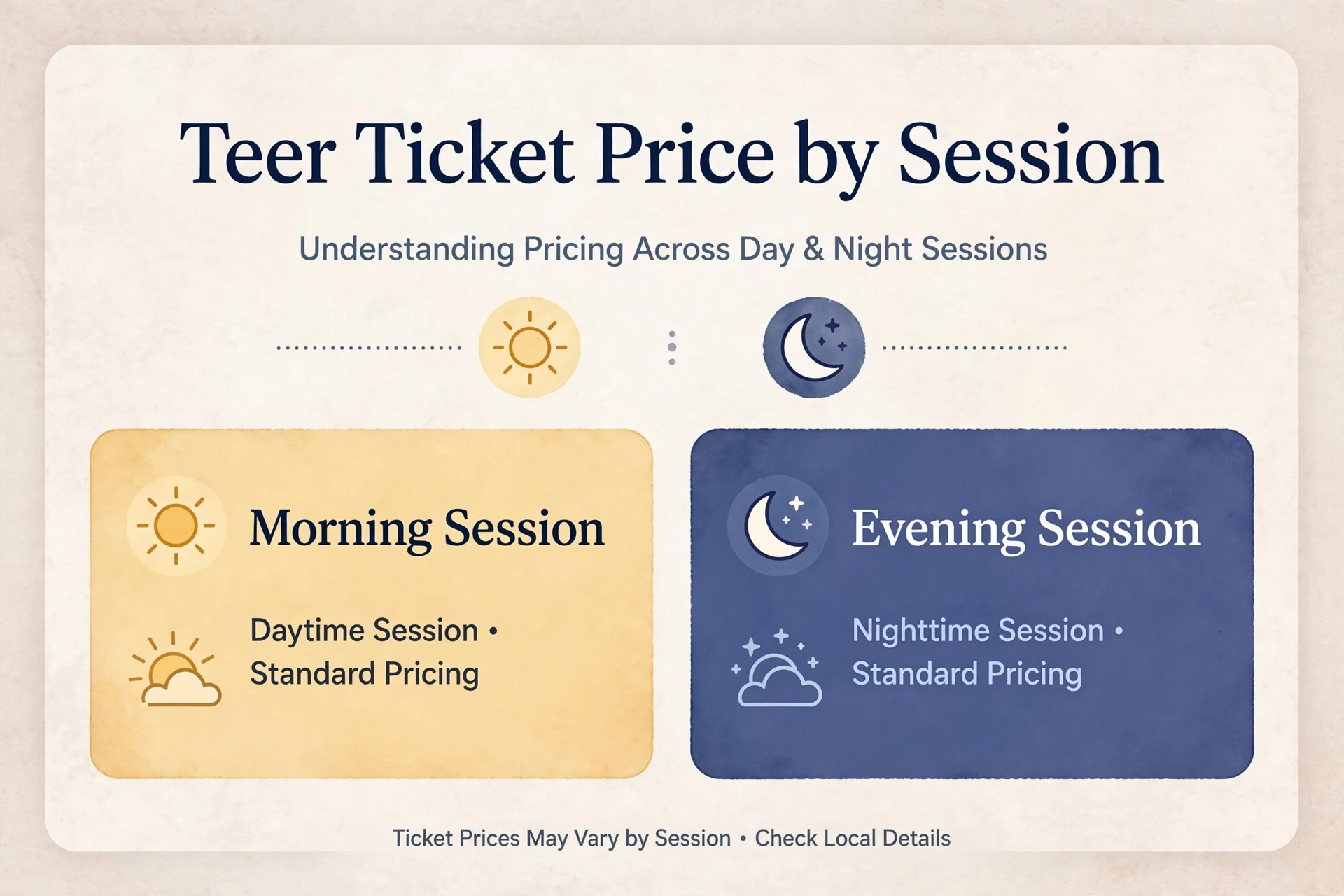
Teer Ticket Price Remains the Same in Every Session
Let us establish the foundation clearly. The teer ticket price does not change between the morning, day and night sessions. A Rs 10 ticket costs Rs 10 in the morning session, Rs 10 in the day session and Rs 10 in the night session. The denominations of Rs 10, Rs 20, Rs 50 and Rs 100 are available in every session at every licensed counter.
This uniformity is intentional. Players move between sessions freely, and a different price per session would create confusion and opportunities for dishonest sellers to overcharge. With one price everywhere, you always know what a ticket should cost no matter when you buy it.
What changes between sessions is not the price but the schedule. Each session has its own sale window that closes before its first round, its own round timings, and its own result declaration. Your ticket from one session has no validity in another. Understanding this separation is the key to controlling your spending, because every session you add is a new set of tickets at the same familiar prices.
Morning Session – Ticket Buying and Costs
The morning session opens the teer day. Counters begin sales early, and the window closes before the morning first round. For players who like to start the day with the game, the routine is simple: arrive during the morning sale window, choose your number and denomination, and collect your printed ticket.
A typical morning only player buys one Rs 10 ticket covering both rounds. Daily morning cost: Rs 10. Some players buy two tickets with different numbers, bringing the cost to Rs 20. The pattern is identical to other sessions; only the hour is different.
The morning session suits people who prefer to finish their play early and get on with the day. Because the results are declared in the late morning, there is no waiting through the afternoon. If you play only this session, your teer khela price for the day is whatever you spent in the morning, and nothing more. That natural boundary is one reason disciplined players love the morning game: when the session ends, the spending ends too.
To follow the morning markets, the Juwai morning teer result page publishes declared numbers for the early session.
Day Session – The Main Game and Its Price Structure
The day session is the most widely played teer game, with the largest crowds at counters and the most attention on results. Ticket sales run through the day and close before the afternoon first round. The price structure is exactly what you already know: Rs 10, Rs 20, Rs 50 and Rs 100 denominations, each ticket covering FR, SR or both as you choose.
Because this session draws the most players, its counters are the busiest, particularly in the final half hour before the cutoff. Buying earlier in the sale window gives you a calmer experience at exactly the same price. There is never a financial advantage to buying late, only stress and the risk of missing the cutoff.
A common day session pattern is the single both rounds ticket: one slip, one number, two draws, one payment. At Rs 20, that is a full day of engagement for the price of a snack. Players who want more action buy separate FR and SR tickets with different numbers, doubling the ticket count but keeping the unit teer ticket price unchanged. Either way, the day session cost is fully determined by the number of tickets multiplied by the denomination, with no hidden variables.
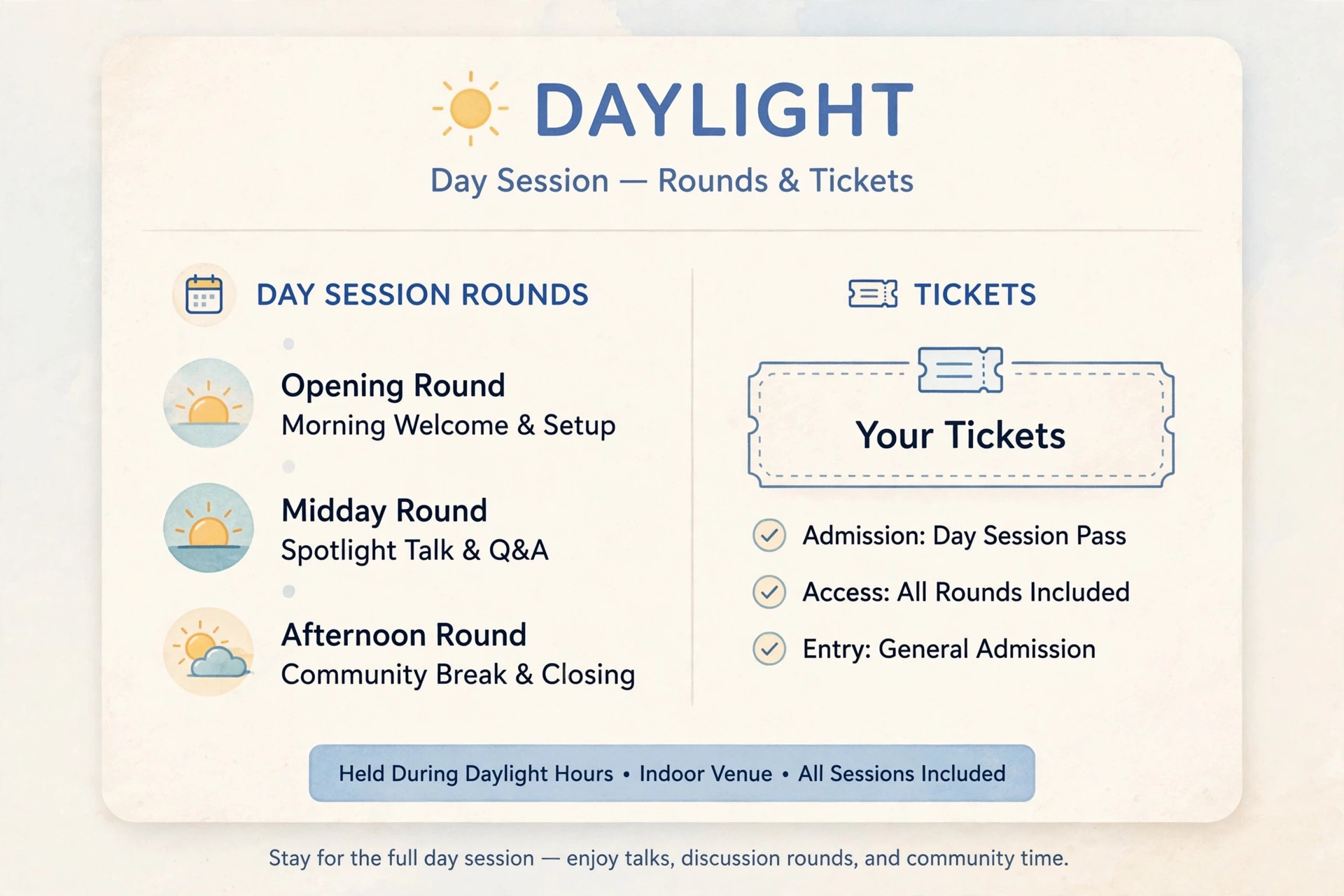
Night Session – Evening Play Costs
The night session follows the same rules in the evening hours. Sales open in the late afternoon or evening depending on the market, and close before the night first round. Denominations, ticket format and round structure are identical to the morning and day sessions.
Night play appeals to people whose days are busy and who prefer their entertainment after work. The cost arithmetic is the same: count your tickets, multiply by the denomination, and that is your night spend. A single Rs 10 both rounds ticket keeps the evening’s cost at Rs 10.
One caution specific to the night session is fatigue spending. After a long day, it is easier to buy on impulse or to chase the day’s results with extra tickets. The mechanical fix is the same as ever: decide before the session how many tickets you will buy, and treat that decision as final. The night game should feel like a relaxed end to the day, not a second shift of spending.
Session Wise Daily Budget Models
Now let us put sessions and prices together into clear daily models. These examples use Rs 10 tickets, the most common choice, but the logic works at any denomination.
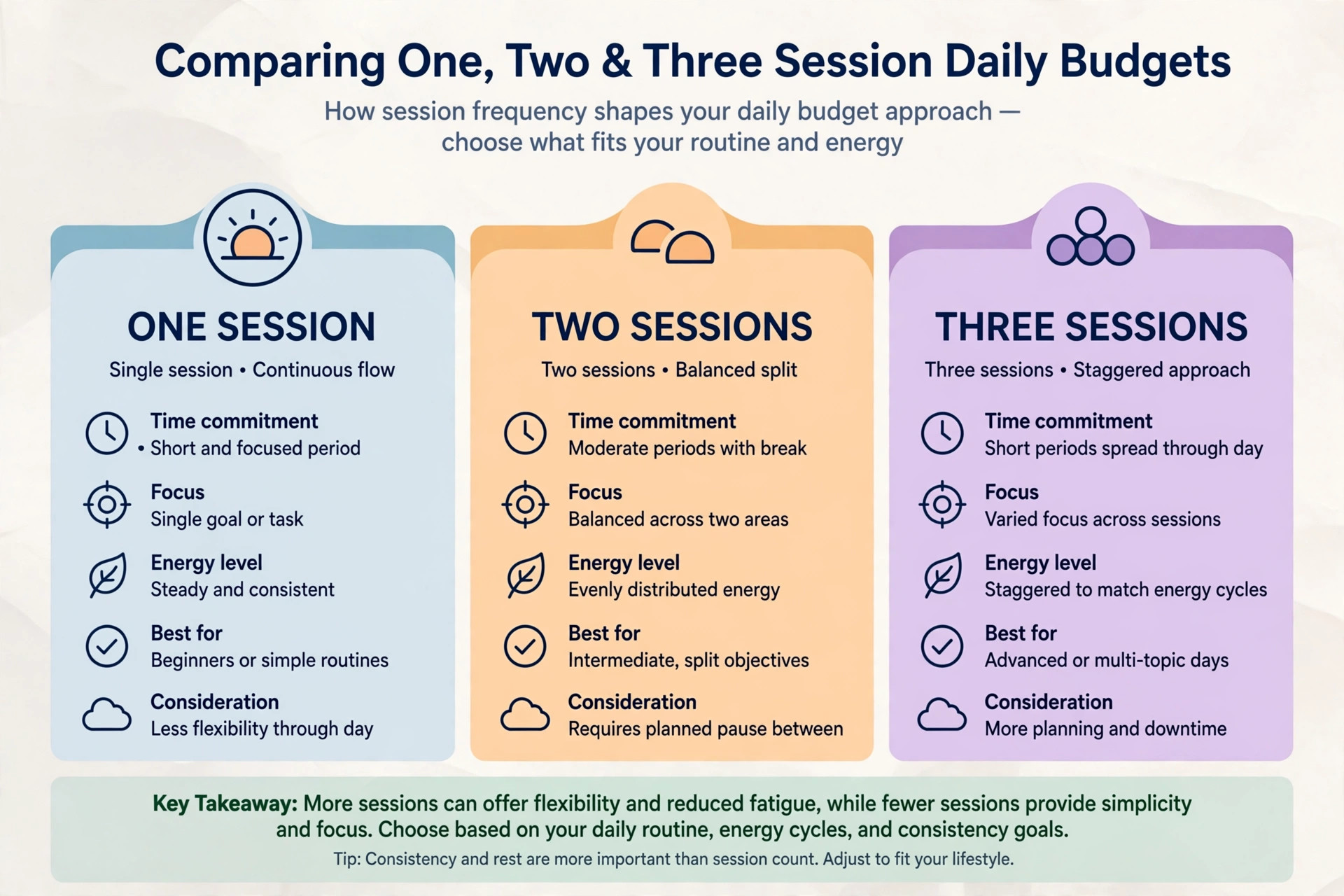
The one session model: you play only the day session with one Rs 10 both rounds ticket. Daily cost Rs 10, weekly cost around Rs 60. This is the lightest full participation and an excellent default for beginners and budget conscious players.
The two session model: you play the morning and day sessions with one Rs 10 ticket each. Daily cost Rs 20, weekly cost around Rs 120. You get four draws a day across two sessions, which many regular players find to be the sweet spot between engagement and cost.
The three session model: morning, day and night, one Rs 10 ticket each. Daily cost Rs 30, weekly cost around Rs 180. This is full day participation, and it is where players should be most careful, because the spending is spread across the day and easy to underestimate.
Notice that in every model the teer ticket price per unit never changed. Sessions are the multiplier. Before adding a session to your routine, ask whether the extra cost fits your monthly entertainment budget. A session added casually can add hundreds of rupees to the monthly total without you noticing.
Sale Windows Session by Session
Each session’s sale window follows the same logic with different hours. Sales open well before the first round and close shortly before it, giving organisers time to finalise the ticket list. Between the first and second round there is a short additional window for second round tickets.
For the morning session, this means early buying and an early cutoff. For the day session, sales run through the middle of the day with the cutoff ahead of the afternoon rounds. For the night session, the window sits in the evening. The exact clock times vary slightly by market and season, so confirm the current timings at your regular counter and write them down.
A practical routine for multi session players is to buy each session’s tickets in its own window rather than all at once. Tickets cannot be bought in advance for a later session at most counters, because each session’s sales open in its own time. Treat each window as a separate small errand and you will never be caught by a cutoff.
The Teer Result Now homepage publishes FR and SR numbers for every session as they are declared, so you can check each session’s results in sequence through the day.
Which Sessions Should a Beginner Play
If you are new, start with exactly one session. The day session is the natural choice because it has the most counters open, the most fellow players to learn from, and the most published information. Buy a single Rs 10 ticket, either for the first round or for both rounds, and observe how the day unfolds.
Resist the urge to add the morning or night session in your first week. Each additional session doubles or triples your learning load along with your spending. After a week of single session play you will understand cutoffs, ticket reading and result checking thoroughly. Only then consider whether a second session genuinely adds enjoyment or just adds cost.
Experienced players often settle into a stable pattern, such as day session only, or morning plus day. The players who report the most satisfaction are not the ones who play every session, but the ones whose session count matches a budget they chose calmly in advance.
Teer Khela Price Across a Week of Sessions
Let us zoom out to the weekly view, because the phrase teer khela price makes most sense as a weekly figure. Take your daily session model and multiply by playing days.
One session at Rs 10 daily: about Rs 60 a week. Two sessions at Rs 10 each: about Rs 120 a week. Three sessions at Rs 10 each: about Rs 180 a week. Now step the denomination up: two sessions at Rs 20 each is about Rs 240 a week, and three sessions at Rs 50 each approaches Rs 900 a week. The same game, the same uniform teer ticket price, yet the weekly totals span a fifteen fold range depending on sessions and stakes.
This is why the weekly envelope method works so well. Put your chosen weekly amount in an envelope on the first playing day. Buy tickets only from that envelope. When it is empty, the week’s play is over. Players who use this method consistently say the game stays fun for years, while players who pay per impulse often cannot say where the money went.
What Your Printed Ticket Slip Shows
Your teer ticket is a small printed slip, and knowing how to read it protects both your money and any prize you might win. Every licensed counter issues tickets that carry the same set of fields, no matter which session or market you are playing.
The slip shows the session name and the date of play. Morning, day and night tickets look similar, so check this field before you leave the counter. A ticket bought in the wrong session is the single most common beginner mistake, and the counter cannot swap it after the sale window closes. Next comes the round marking: FR for the first round, SR for the second round, or a both rounds marking if you paid for the double entry. Verify this against what you asked for, because the price differs between a single round ticket and a both rounds ticket.
The denomination is printed clearly, and it must match what you paid. If you handed over Rs 50, the slip must say Rs 50, not Rs 10. The ticket number itself is a unique serial that links your slip to the counter’s records. Finally, most slips carry the counter name or code and a printed time stamp. When results are declared, this slip is your only proof of purchase, so keep it dry and folded safely in a wallet until both rounds of that session are over. Winners need the original ticket to claim prizes, and counters do not accept photographs or photocopies. Five seconds of checking at the counter prevents almost every ticket related dispute.
Why Sessions Cannot Be Played Online
A quick but important note: no teer session can be played online. Tickets for every session are sold only at licensed physical counters, and each session’s sales close before its rounds. Any website or message offering online tickets for any session is a scam.
Scammers sometimes invent session specific fake prices, such as special night session rates or discounted morning bulk tickets. These are fiction. The real teer ticket price is uniform and public, and the real purchase process requires your physical presence at a counter during the sale window. If an offer involves paying online, receiving tickets by message, or prices that differ from the standard denominations, it is fraudulent regardless of which session it claims to cover.
For independent context on lottery regulation in India, see the Wikipedia overview, and for official state information visit the Meghalaya government portal.

Real Player Routines – Three Session Schedules That Work
Theory is useful, but routines are what people actually follow. Here are three session schedules used by real players, each with its cost logic explained.
The early bird routine belongs to players who finish everything in the morning. They buy one Rs 10 both rounds ticket during the morning sale window, check the morning results when declared, and their teer day is done before noon. Daily cost Rs 10. This routine is popular with shopkeepers and office workers who want zero distraction during the rest of the day. Its strength is the hard boundary: once the morning session ends, there is simply no more buying.
The classic routine centres on the day session. The player buys one Rs 20 both rounds ticket in the day sale window and follows the afternoon rounds. Daily cost Rs 20. This is the most common pattern in Shillong, partly because the day session has the liveliest counter atmosphere. Players on this routine often describe the afternoon check as a pleasant break in the day rather than a serious pursuit.
The split routine divides play between morning and night. One Rs 10 ticket in the morning, one Rs 10 ticket at night, with the day session skipped entirely. Daily cost Rs 20. This suits people whose afternoons are busy but who enjoy a small stake at both ends of the day. The gap between sessions acts as a natural cooling off period, which many players find healthier than back to back sessions.
Whichever routine appeals to you, adopt it as a fixed pattern for at least two weeks before judging it. Constant switching between routines is itself a form of impulse behaviour. A stable routine turns teer into a predictable small ritual with a known price, which is exactly what a responsible hobby should be.
Teer Ticket Price – Frequently Asked Questions
Is the teer ticket price the same for morning and night sessions?
Yes. Every session uses the identical denomination structure. A Rs 10 ticket costs Rs 10 in the morning, day and night sessions alike.
Can I use a morning ticket for the day session?
No. Tickets are valid only for the session in which they were bought. Each session needs its own ticket purchased during its own sale window.
How many sessions run each day?
Teer typically runs morning, day and night sessions, each with a first round and a second round. The exact session lineup can vary by market, so check your local counter.
What is the cheapest way to play all three sessions?
One Rs 10 ticket per session costs Rs 30 for the day. That is the minimum full day participation across morning, day and night.
Do sale windows overlap between sessions?
Generally no. Each session’s sales open and close in its own time block. Buy each session’s tickets during that session’s window.
Which session is best for beginners?
The day session, because counters are fully staffed, crowds are largest and the most guidance is available. Start with one Rs 10 ticket and one session only.
Where can I check all sessions’ results together?
The complete teer result list archives FR and SR numbers for every session, and the Khanapara teer result page covers that market’s daily games.
Conclusion
Sessions are the quiet multiplier inside the teer ticket price system. The unit price never changes, but each session you play adds another set of tickets to the day. Choose your sessions deliberately, count the tickets per session, multiply by the denomination, and you will always know your exact cost in advance. Start with one session, master its rhythm of sale windows and cutoffs, and expand only when the budget comfortably allows. With sessions chosen on purpose rather than impulse, teer remains an affordable daily tradition instead of a leaking wallet. Check each session’s declared numbers as the day unfolds, keep every printed ticket safe, and play responsibly. Review your session count once a month, and trim it back the moment the game starts feeling like an obligation rather than a choice.