
A teer result delayed past its usual time is one of the most frustrating experiences for anyone who follows the game. You open your favourite result page at the usual hour, refresh once, then twice, and instead of the fresh two digit number you see the word pending, or worse, yesterday’s number still sitting in today’s slot. Your first instinct is to worry that something is wrong, that the result has been cancelled, or that the website has stopped updating. In the vast majority of cases, none of those things are true. A delayed declaration is simply how a live, human-run archery lottery works in the real world, where rain, counting disputes, travel time between the ground and the counters, and the two round structure of the game all add minutes that add up. This guide walks you through exactly how a teer declaration happens, what a teer result pending status means at each stage, how long the gap between the first round and second round normally runs, and how to set realistic timing expectations instead of panicking the next time your result is late.
Why Your Teer Result Is Delayed Right Now
When a teer result is late, the delay almost always sits at one of three places: the round itself started late, the counting and confirmation took longer than usual, or the published update you are looking at is itself delayed while the official number is already out at the counters. Understanding which of these three you are dealing with changes everything about how long you should wait and what you should do next. Most players treat a missing number as a single problem, but it is really a chain, and a break or slowdown at any link of the chain pushes the final announcement back.
The clock you are measuring against may be wrong
Many players keep a declaration time in their head down to the minute, and the moment that minute passes without a number, they declare the result delayed. In reality, teer declarations do not work like train schedules. The first round of a session is expected at a certain time of day (morning sessions declare in the late morning, the main afternoon session declares in the late afternoon, and night sessions declare late in the evening), but the actual announcement can drift by ten, twenty, or even forty minutes in either direction on any given day. If you are comparing today’s announcement against an unusually early declaration from yesterday, you will feel a delay that is really just the normal range of the game. The healthiest habit is to think of the declaration time as a window, not a pin, and to only start wondering after the whole window has passed without news.
Pending is a status, not a verdict
The word pending on a result page simply means the number has not been entered yet. It does not mean the number will never come, and it certainly does not mean anything shady is happening. Result websites show pending as a placeholder for a slot they fully expect to fill, and they update it the moment reliable information reaches them. A teer result late by twenty minutes with a pending tag is the normal, honest way for a publisher to say the declaration is still in progress. The dangerous pages are not the ones that say pending; they are the ones that invent a number to fill the gap. A site that waits for confirmation is a site you can trust.
How a Teer Declaration Actually Works – The Full Timeline
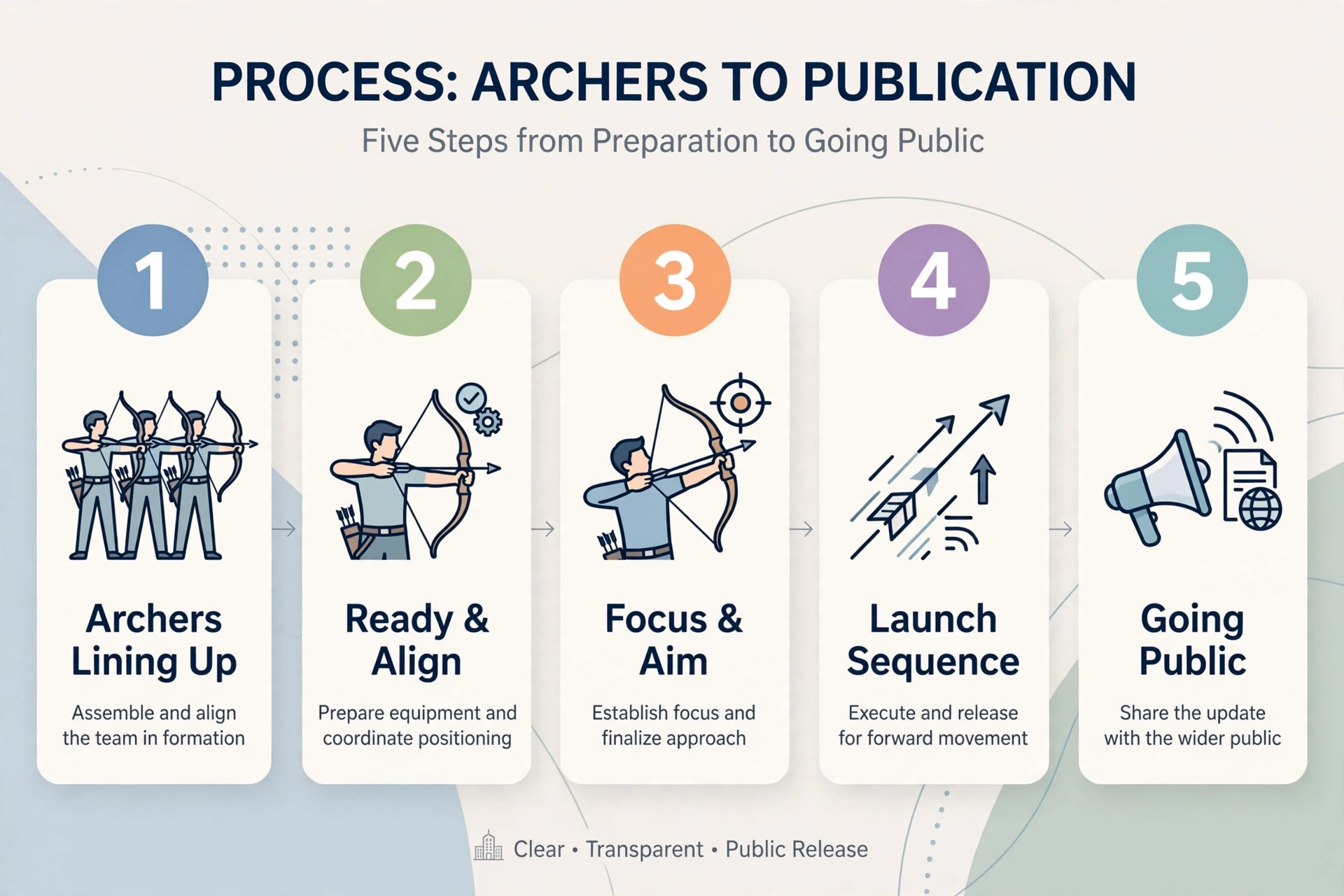
To understand a delayed teer result, you need to see the full journey of a number from the shooting ground to your phone screen. There are no electronic sensors or instant digital feeds in this game. Every step involves real people, physical arrows, paper tallies, and phones, and each step can stretch or shrink the timeline. Here is the journey in order.
Step 1 – Archers line up and the round begins
Each teer session is an archery contest conducted by licensed teer clubs under the Meghalaya lottery framework. Dozens of archers gather at the shooting ground with their traditional bows. The round begins when the officials give the signal, and the archers shoot their arrows at the target within the allotted shooting time. This part of the day is the most weather dependent. Heavy rain can pause shooting, poor light can force a slowdown, and a large field of archers simply takes longer to complete its shooting than a small one. If the round starts late or the shooting itself runs long, every later step inherits that delay, and the final announcement slips by the same amount.
Step 2 – Shooting, counting and the officials tally
When the shooting window closes, the officials walk the target and count how many arrows hit it. This is the heart of the game and also the step most players never think about. The result of the round is derived from this count: the last two digits of the total number of arrows that hit the target become the winning number for that round (example only, not a real result). Counting hundreds of arrows by hand takes real time, and when the count is close or contested, officials recount to be sure. Accuracy matters far more than speed here, because once the number is announced at the counters, ticket holders across the region rely on it. A recount that adds fifteen minutes is not a failure of the system; it is the system protecting the players. Whenever you see a teer result delayed with no explanation, an ongoing count or recount is the single most common reason.
Step 3 – The result travels from the ground to the counters
After the officials finalise the count, the number has to physically travel. It is announced at the ground, communicated to the teer counters and booking agents across the area, and shared with the networks that feed result websites. This travel time is invisible to the online player but very real. On days with heavy traffic, poor mobile network coverage near the ground, or a large number of counters to inform, the number reaches the online publishers later than usual. This is also the stage where rumours start: someone hears a number secondhand, posts it in a chat group, and it spreads before the official confirmation arrives. Smart players wait for the confirmed announcement rather than the first whisper.
Step 4 – The number goes public on result websites
Only now does the number reach your screen. Result publishers receive the confirmed number, cross check it against at least one more source, and then update their pages. Reputable publishers would rather be a few minutes late with the right number than first with the wrong one, and you should reward that patience rather than punishing it. On this site, the complete teer result list is updated as soon as confirmations arrive from multiple sources, which is why you will sometimes see one round’s number appear while the next round still shows pending. That staggered appearance is a sign of careful publishing, not a broken page.
Teer Result Delayed Between First Round and Second Round
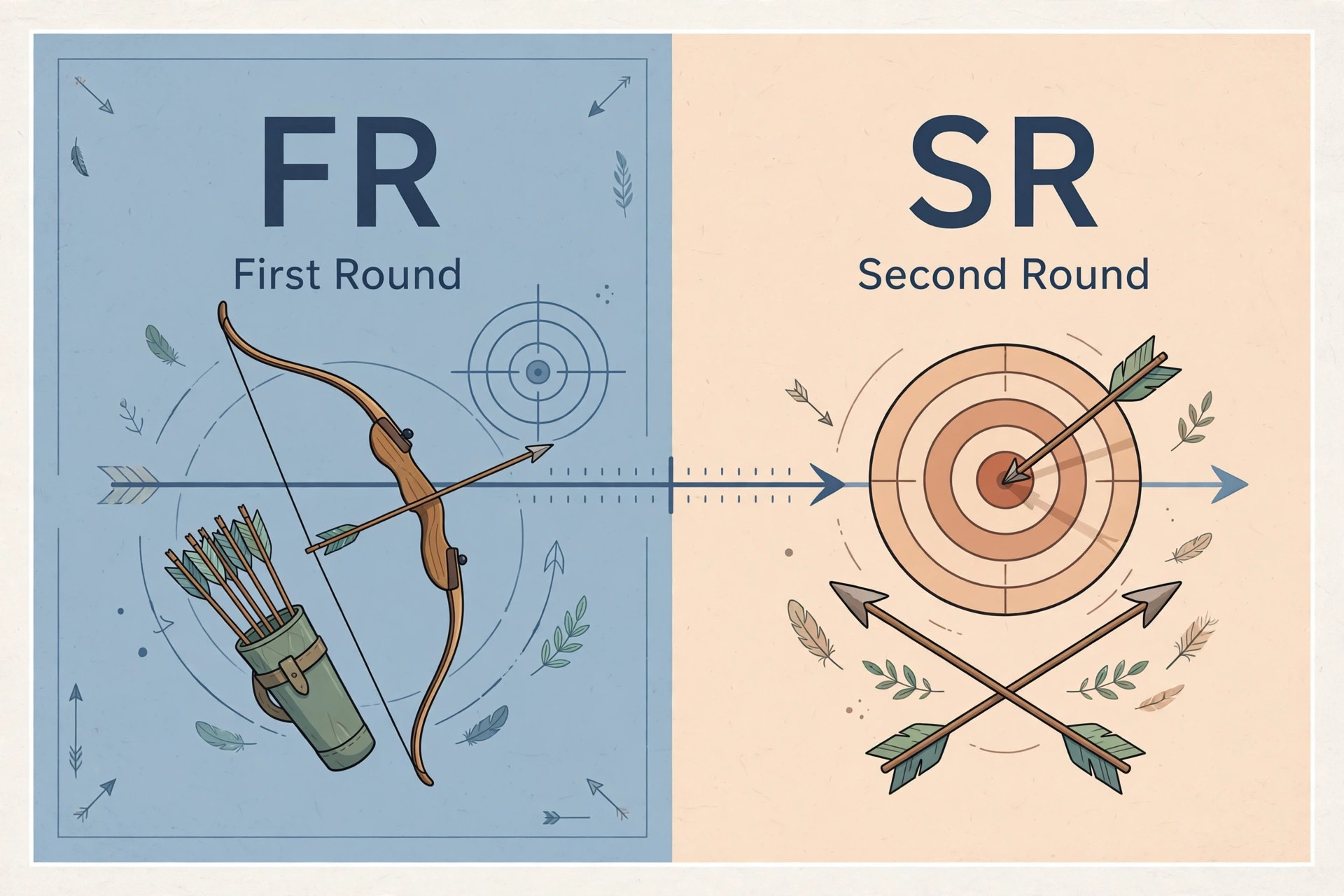
One of the most common complaints is not that the whole session is late but that the second round (SR) feels like it takes forever after the first round (FR) number appears. Players check the FR number, put the phone down, come back later, and find the SR slot still pending. This gap is one of the most misunderstood parts of teer timing, and understanding it removes a great deal of needless anxiety.
The normal gap and why it exists
Teer is played in two rounds per session by design, and the two rounds are separate archery events, not two announcements from one event. After the first round finishes and its number is declared, the archers regroup, officials reset the ground, a fresh round of shooting takes place, and a fresh count is conducted. All of that takes time, typically around an hour between the two declarations, though it varies by market and by day. If the FR declaration itself ran late, the SR declaration is pushed back by at least the same amount, and often a little more, because the delay cascades through the reset. So a teer result late in the morning can easily mean a teer result late again in the second round, even if nothing new went wrong.
Why the second round stretches on some days
The SR gap stretches beyond the norm for a handful of repeatable reasons. Late afternoon light can slow the second round of shooting, a large crowd at the ground can slow the reset between rounds, and recounts in the first round push everything downstream. In the night sessions, fatigue and low light add their own minutes. None of this is a sign that the second round has been cancelled. Cancellations are rare and are always announced through the counters and clubs; a long pending status by itself is never evidence of cancellation. If the FR number for the day was declared normally, the SR number will almost always follow once the second round’s count is confirmed.
What to Expect in Each Market When Results Run Late
Different teer markets run on different clocks and have different delay personalities. Knowing the rhythm of your market keeps your expectations realistic and stops you from comparing one market’s timing against another’s.
Shillong teer result delay
Shillong is the flagship market and the one most players watch, which means a shillong teer result delay is also the most noticed and most talked about. The main afternoon session declares in the late afternoon, with the second round following later. Because Shillong has the largest fields of archers and the largest crowds, its counting step runs longer than smaller markets, and small delays are simply more visible here because more people are watching the clock. When Shillong runs late, resist the urge to refresh every thirty seconds; the number appears on the Shillong Teer Result page as soon as it is confirmed from multiple sources. A delay of up to an hour is within the normal range for this market on a busy day.
Juwai teer result late
Juwai runs its sessions earlier in the day than Shillong’s main session, and a juwai teer result late in the afternoon follows the same pattern: shooting delays, counting time, and the travel of the number from the ground to the publishers. Juwai players often notice delays more sharply because the afternoon session sits in the middle of the working day, when a quick check is expected to be instant. The Juwai Teer Result page tracks both rounds of the session, so if you see FR confirmed and SR pending, that is the normal between-round gap doing its work, not a missing result.
Khanapara and night sessions
Khanapara’s Assam facing session and the night teer sessions have their own rhythms. Morning sessions declare in the late morning, and the night sessions declare late in the evening. Night sessions are the most delay prone of all, because the second round of a night session happens in poor light and the counting is harder. If you play the night session, build a longer waiting window into your evening and check once per slot rather than watching the page continuously. Remember that the game is a legal lottery in Meghalaya, for adults aged 18 and above only, and it should be followed responsibly, never as a source of stress that ruins your evening.
When a Teer Result Is Not Declared at All
Sometimes the number does not just run late; it never comes for the day. This is different from a teer result delayed by minutes or an hour, and it happens for a small set of well defined reasons. Knowing these reasons saves you from waiting all evening for a number that was never going to be declared.
Weekly off days and public holidays
Teer is not declared every day of the year. Sundays are the standard weekly off day across the markets, and major public holidays also pause the game. On these days the result pages correctly show no new number, and no amount of refreshing will produce one. The simplest check is the calendar: if it is Sunday, or if a major festival or public holiday is being observed, expect no declaration. Result pages that show the previous working day’s number in the current slot are not broken; they are just holding the last confirmed result until the next playing day.
Weather and ground conditions
Because teer is an outdoor archery event, severe weather can cancel a session outright. Heavy rain, storms, or waterlogged grounds make shooting unsafe or impossible, and the clubs will cancel the round rather than risk the archers or produce a compromised count. A cancellation usually becomes clear by the time the session would have started: no shooting takes place, the counters stay quiet, and the result pages hold at pending or show a no-game notice. This is the one case where a teer result not declared truly means no result, and the correct move is to check back the next playing day.
Website and network faults
Occasionally the number is declared perfectly on time at the ground and the counters, but the website you are watching is the thing that is broken. A server outage, a failed update, or a network problem between the publisher and you can leave a page showing yesterday’s number or a stuck pending tag while other sources already show the fresh result. This is why cross checking matters. If one page looks frozen but two other independent sources agree on a new number, the frozen page is the problem, not the game. Bookmark more than one reliable publisher, and treat a single frozen page as a page problem rather than a game problem.
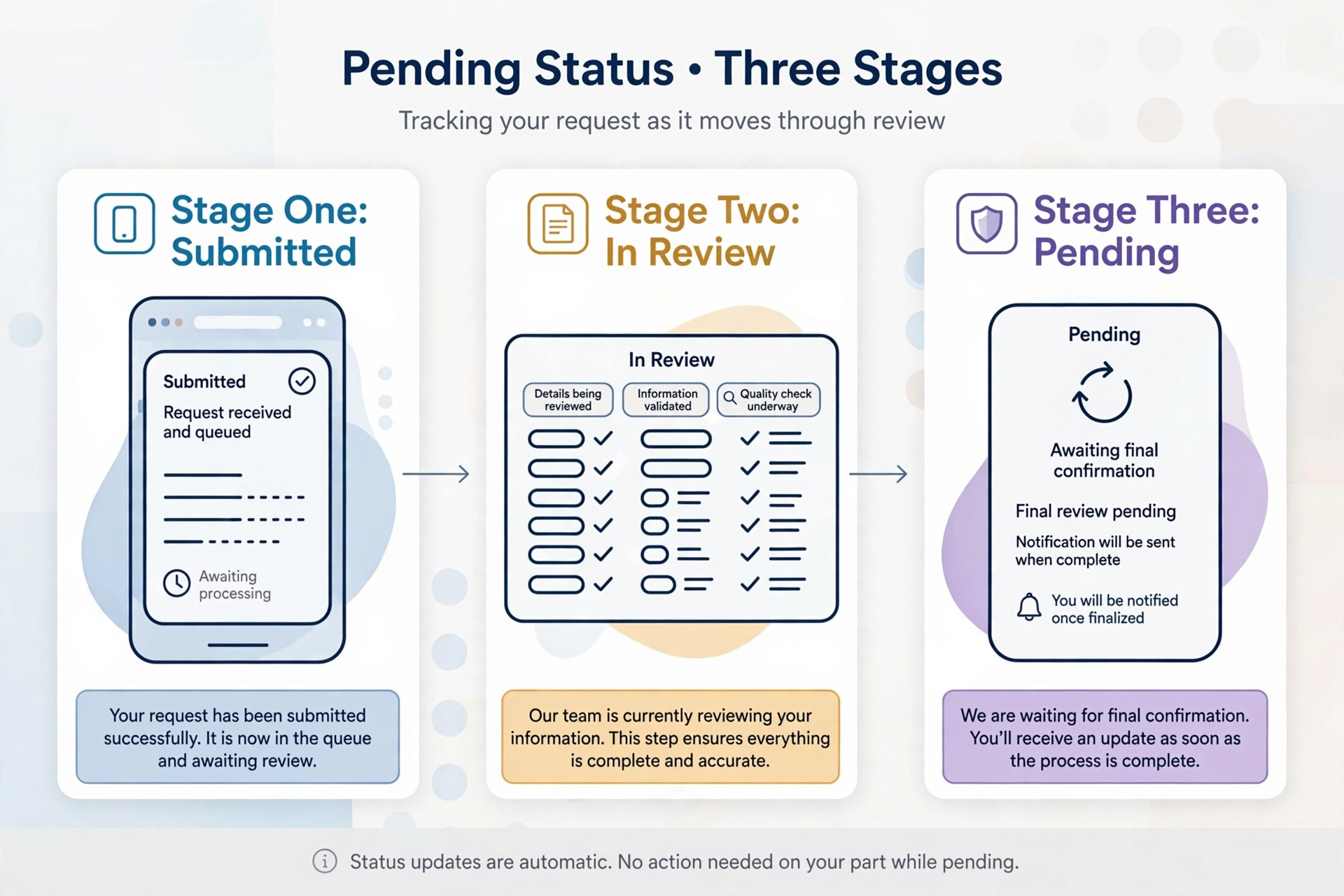
Teer Result Delayed – What Pending Means at Each Stage
The word pending is not one thing. Its meaning changes depending on where the day stands, and reading it correctly is the fastest way to decide whether to wait, to check back later, or to stop checking for the day.
Pending before the session starts
If you check the page early, long before the session’s declaration window, pending is simply the default state of a slot that has not happened yet. The round has not been shot, nothing has been counted, and there is nothing to announce. This is not a delay at all; it is the calendar doing its job. Many players mistake an early check for a late result, especially when they confuse the morning and afternoon sessions of the same market. Confirm which session and which round you are looking at before you conclude anything is late.
Pending while the round is live
During the shooting and counting window, pending means the round is in progress and the number is being produced. Archers are shooting, officials are counting, or the count is travelling from the ground. At this stage, pending is the healthiest possible status: it means the publisher is waiting for the real number instead of guessing. The right move here is patience. Put the phone down for a while and check back after the usual declaration window; the number will appear when the confirmation chain completes.
Pending after the expected declaration time
Once the whole expected window has passed and the slot still shows pending, you are in genuine delay territory. At this point the delay is usually one of the causes already described: a late start, a recount, slow travel of the number, or a website fault. Wait a reasonable extra margin (think in terms of an hour, not minutes), then cross check a second source. If the second source also shows pending, the delay is at the ground or in the confirmation chain, and the number will land when it lands. If the second source shows a number, switch to it and treat the first page as the thing that is stuck.
How to Check a Late Teer Result Without Panicking
A calm, repeatable checking routine beats frantic refreshing every time. Here is a simple method that works on delayed days and normal days alike.
Cross check two or more independent sources
Never trust a single page on a delayed day. The golden rule of teer checking is that a number is only real when at least two independent sources agree on it. Independent means genuinely separate publishers, not two pages that copy from the same feed. When both agree, you can be confident; when they disagree, wait for the agreement before you believe either one. This habit protects you from the two classic delayed-day traps: the frozen page showing yesterday’s number as if it were today’s, and the rumour number spreading through chat groups ahead of confirmation.
Refresh with discipline
Refreshing a page every thirty seconds does not make the number arrive faster, and it trains your brain to treat every empty check as bad news. A better rhythm is to check once when the declaration window opens, once midway, and once near the end of the window, then switch to spaced checks if the result is genuinely late. Publishers update the moment they have confirmation, so you lose nothing by checking every fifteen or twenty minutes instead of every minute. Your evening will thank you.
Learn the declaration calendar for your market
The single most effective anti-panic tool is knowing your market’s rhythm cold: which days the game runs, roughly when each session declares (morning, afternoon, or evening), and how long the normal gap between the first and second round runs. Players who know the calendar rarely panic, because they can place any given pending status on the map of the day and see exactly what it means. Spend one week observing your market’s actual declaration pattern and write it down; that personal reference will serve you better than any fixed timetable you memorise from a website, because real timings drift with the seasons and the crowds.
Common Myths About Delayed Teer Results
Delayed days breed myths, and myths breed bad decisions. Let us clear up the most persistent ones.
The first myth is that a delayed result means the number has been changed or fixed. It does not. A delay means the counting, the travel of the number, or the publishing is taking longer; the count, once finalised by the officials, is the count. The second myth is that refreshing faster or checking more websites makes the number appear sooner. It does not; the number arrives on the ground’s schedule, not yours. The third myth is that a pending tag means the publisher knows the number and is hiding it. Publishers show pending precisely because they do not have a confirmed number yet; a trustworthy site would rather show an honest pending than a fabricated number. The fourth myth is that night sessions are less reliable than day sessions. Night sessions follow the same official process as every other session; they simply run in harder conditions, which explains the longer waits without any loss of reliability. And the fifth myth is that a very late SR number is somehow a different or special result. It is the same official second round number, produced by the same archers and officials, just announced later in the evening.
Teer has deep roots as a traditional sport: the game grew out of archery, the traditional sport of the region, and understanding that heritage helps explain why the process stays proudly manual. For questions about the legal and administrative framework behind the game, the official Government of Meghalaya portal is the authoritative reference point.

Frequently Asked Questions
Why is the teer result delayed today?
The most common reasons are a late start to the shooting round, a longer than usual hand count of the arrows (sometimes including a recount for accuracy), slow communication of the number from the ground to the counters and publishers, or a technical fault on the website you are checking. Weather and large crowds at the ground also add minutes. In almost every case the number appears once the confirmation chain completes, so a delay of up to an hour is within the normal range rather than a sign of trouble.
What does a teer result pending status mean?
Pending means the number for that round has not been entered on the page yet. Before the session starts it simply means the round has not happened. During the shooting and counting window it means the number is still being produced. After the expected declaration time it means there is a genuine delay, usually at the counting or confirmation stage. Pending is never, by itself, evidence that the result has been cancelled or that anything improper has happened.
How long is the normal gap between the FR and SR results?
The first round and second round are two separate archery events, so the gap between their declarations covers a full reset, fresh shooting, and a fresh count. Expect roughly an hour between the two announcements in most markets, with variation by day and by session. If the first round ran late, the second round shifts back by at least the same amount. Night sessions and busy days tend to run the longest gaps.
What should I do if the teer result is not declared at all today?
First check the calendar: Sundays and major public holidays are off days with no declarations. Next, consider the weather: severe rain or storms can cancel a session. If it is a normal playing day and the number still has not appeared well past the expected window, cross check a second independent source. If both sources show pending, the delay is in the official chain and the number will come when it is confirmed. If the second source shows a number, your first page is stuck and you should rely on the confirmed sources.
Is it safe to trust a result from a chat group or social media post before the official announcement?
No. Chat groups and social posts on delayed days are full of rumour numbers that spread before any confirmation exists. Only treat a number as real when at least two independent result publishers agree on it, or when it is confirmed through the official counters. Acting on a rumour number, for example by assuming you have won or lost, leads to exactly the kind of disappointment and disputes that the confirmation process exists to prevent.
Why does the Shillong teer result seem delayed more often than other markets?
Shillong is the most watched market, so its delays are simply noticed more. It also runs the largest archery fields and draws the largest crowds, which genuinely lengthens the counting step. The process is the same official process as every other market; the visibility is what differs. If you follow Shillong, the Shillong Teer Result page is updated as soon as confirmations arrive, and you can always sanity check against the site’s Teer Result Now homepage for the latest across all markets.
Can a delayed teer result change after it is announced?
Once the officials finalise the count and the number is announced through the counters and confirmed publishers, it does not change. What sometimes looks like a change is actually a correction of an early rumour or a mistaken early post by an unreliable page. This is exactly why waiting for the confirmed announcement, and cross checking two sources, matters so much on delayed days. The confirmed number is final; the rumour mill is not.
Conclusion
A teer result delayed is rarely a mystery once you know the machinery behind it. Real archers shoot real arrows, real officials count them by hand, and the number travels by human channels before it reaches your screen. Each of those steps can add minutes, and on some days the minutes add up to a real wait. Read pending for what it is at each stage, give the second round its normal gap, cross check two sources on genuinely late days, and keep the declaration calendar in mind. Do that, and the next delayed declaration becomes a routine pause instead of a panic.
Teer is a legal lottery game conducted in Meghalaya under the state lottery framework. It is strictly for adults aged 18 and above. Play responsibly, set limits you can afford, and never chase losses.